















































Where the worldwide
spectrum community meets
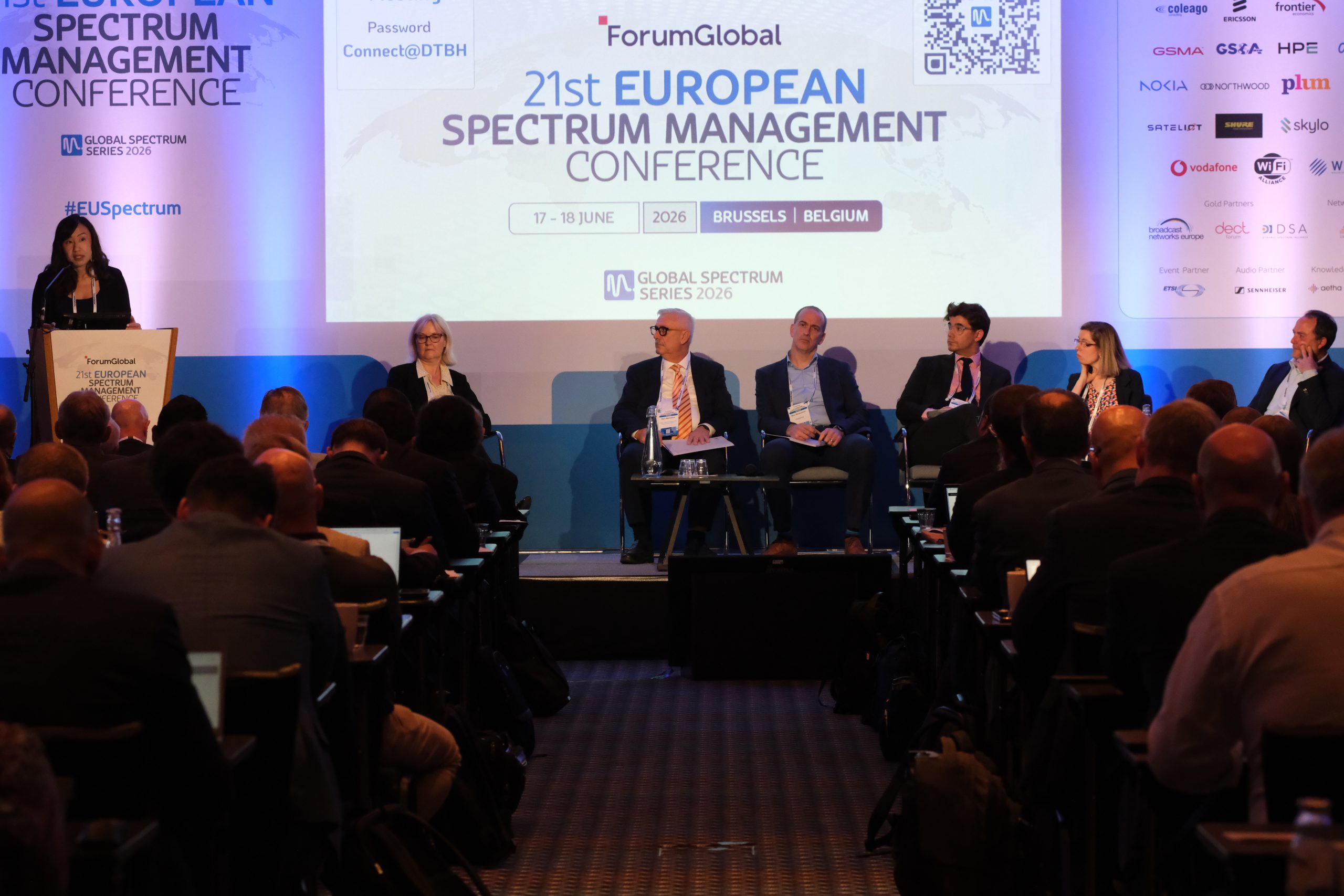
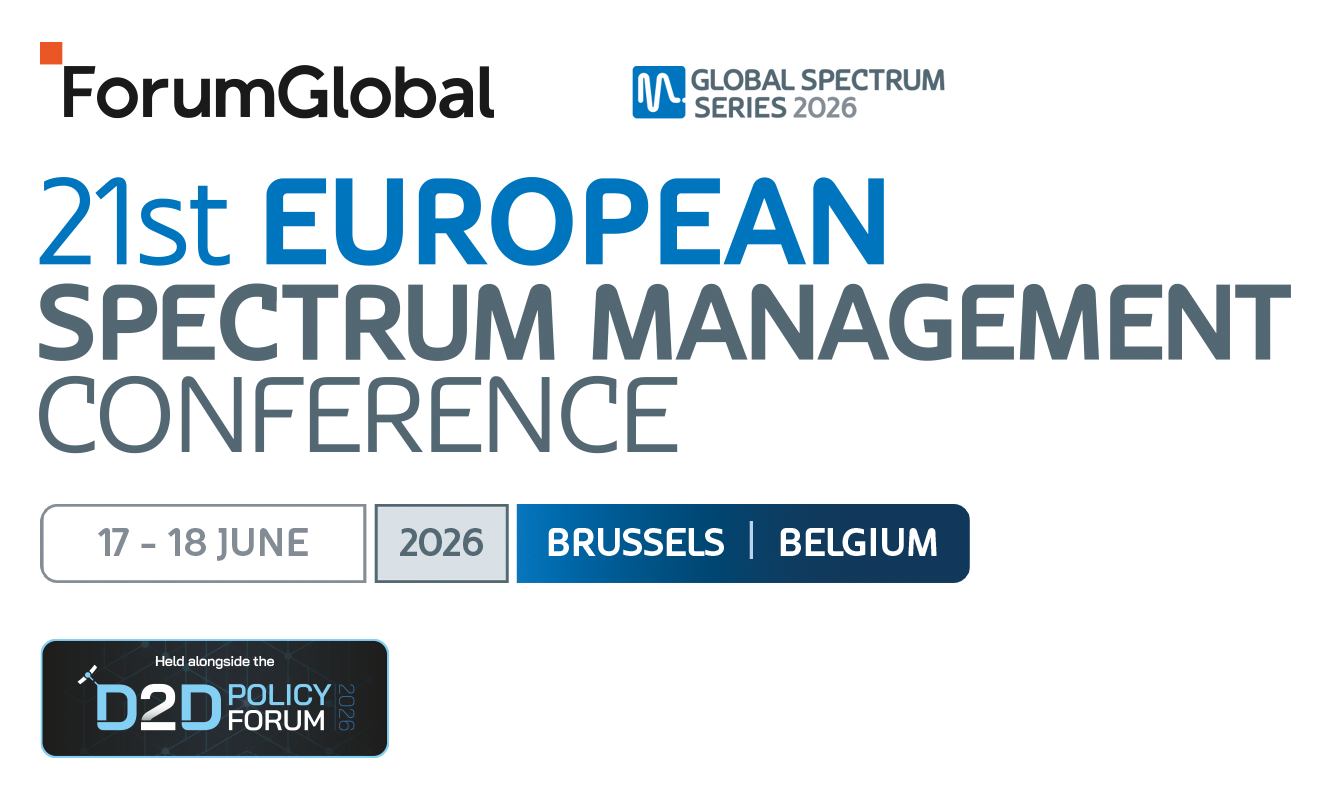
The 21st European Spectrum Management Conference will take place on 17 – 18 June, alongside the RSPG meeting on 16 June and the European D2D Policy Forum on 19 June. Both events will take place fully in person and will be held at the DoubleTree by Hilton Brussels City, Belgium.
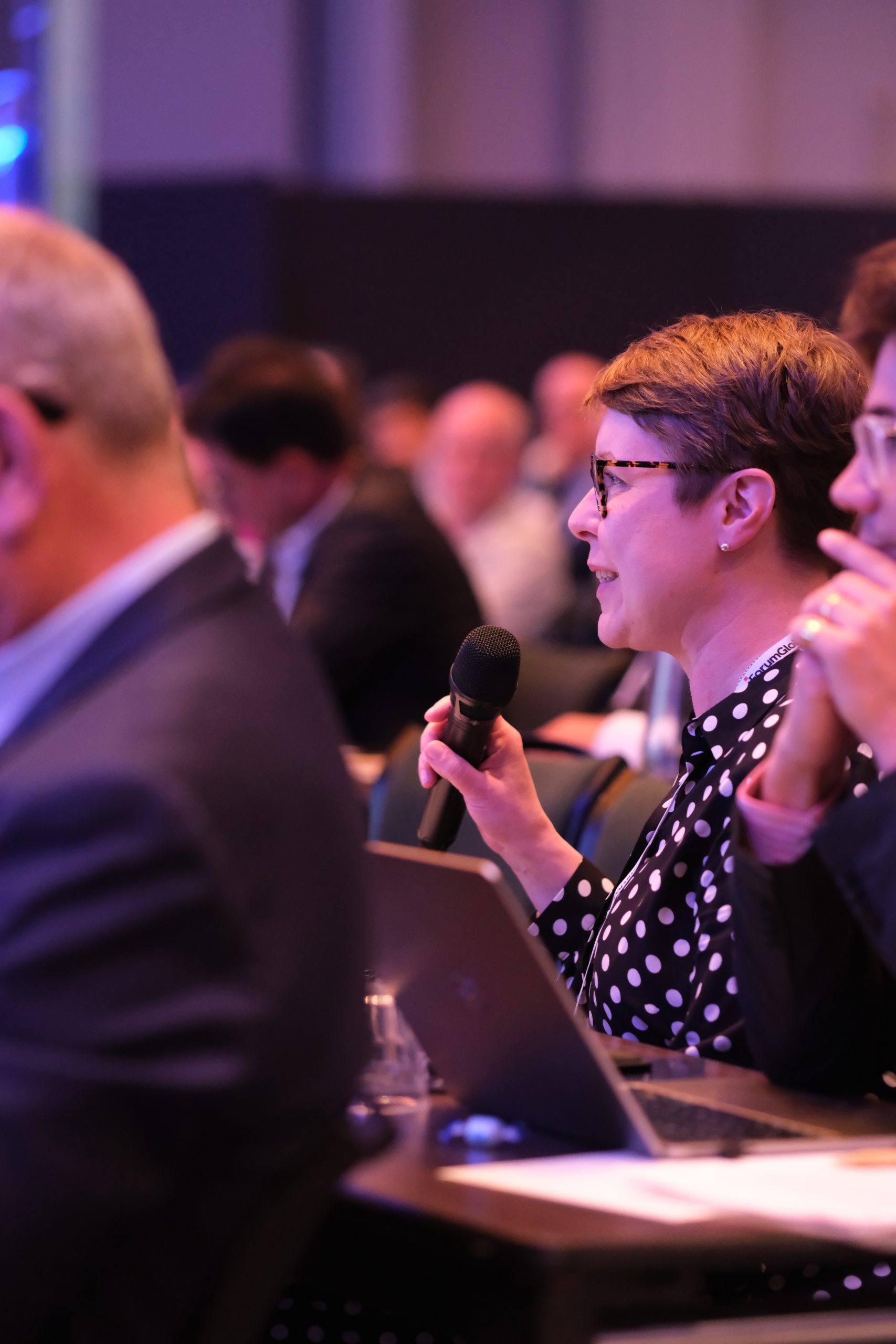
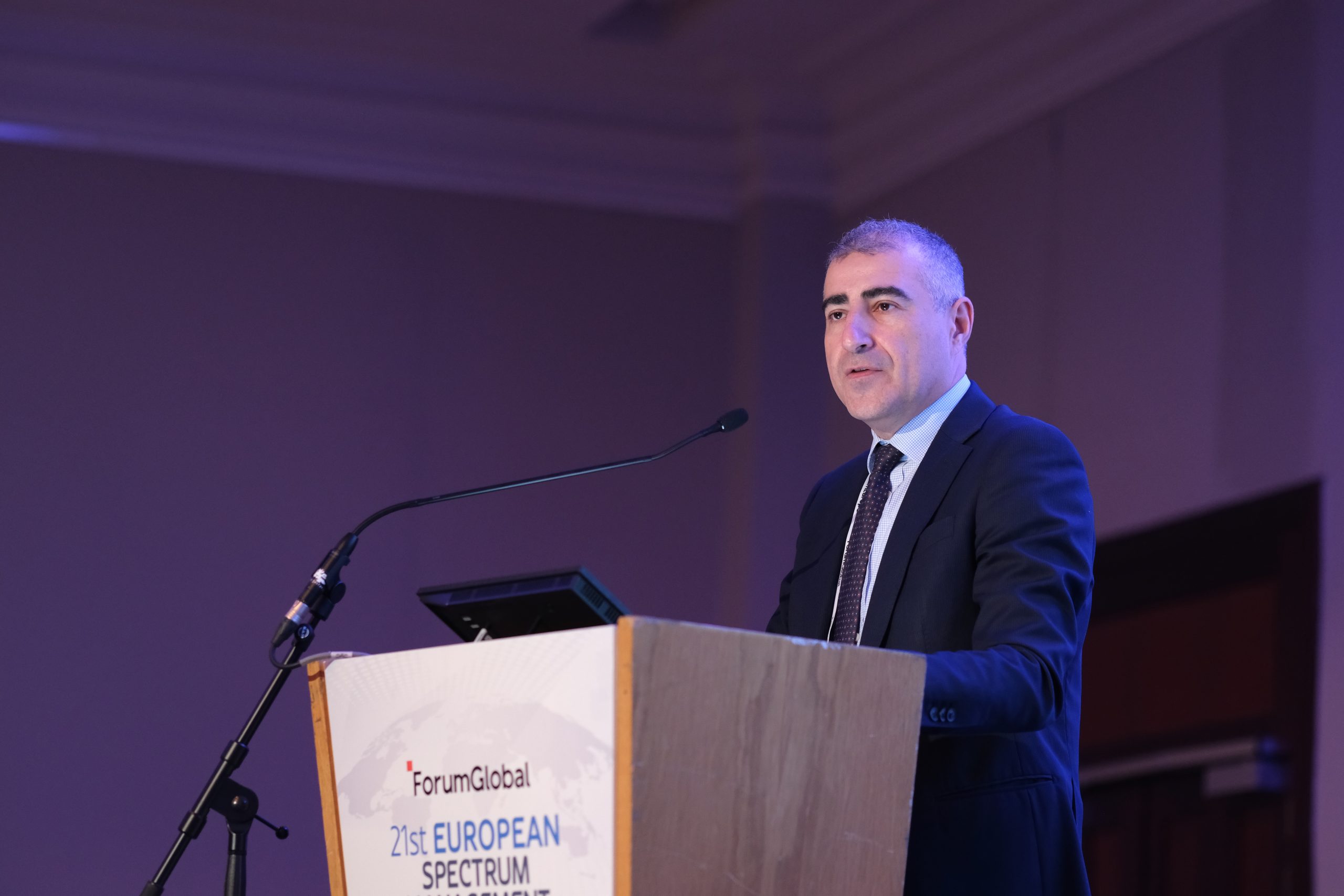
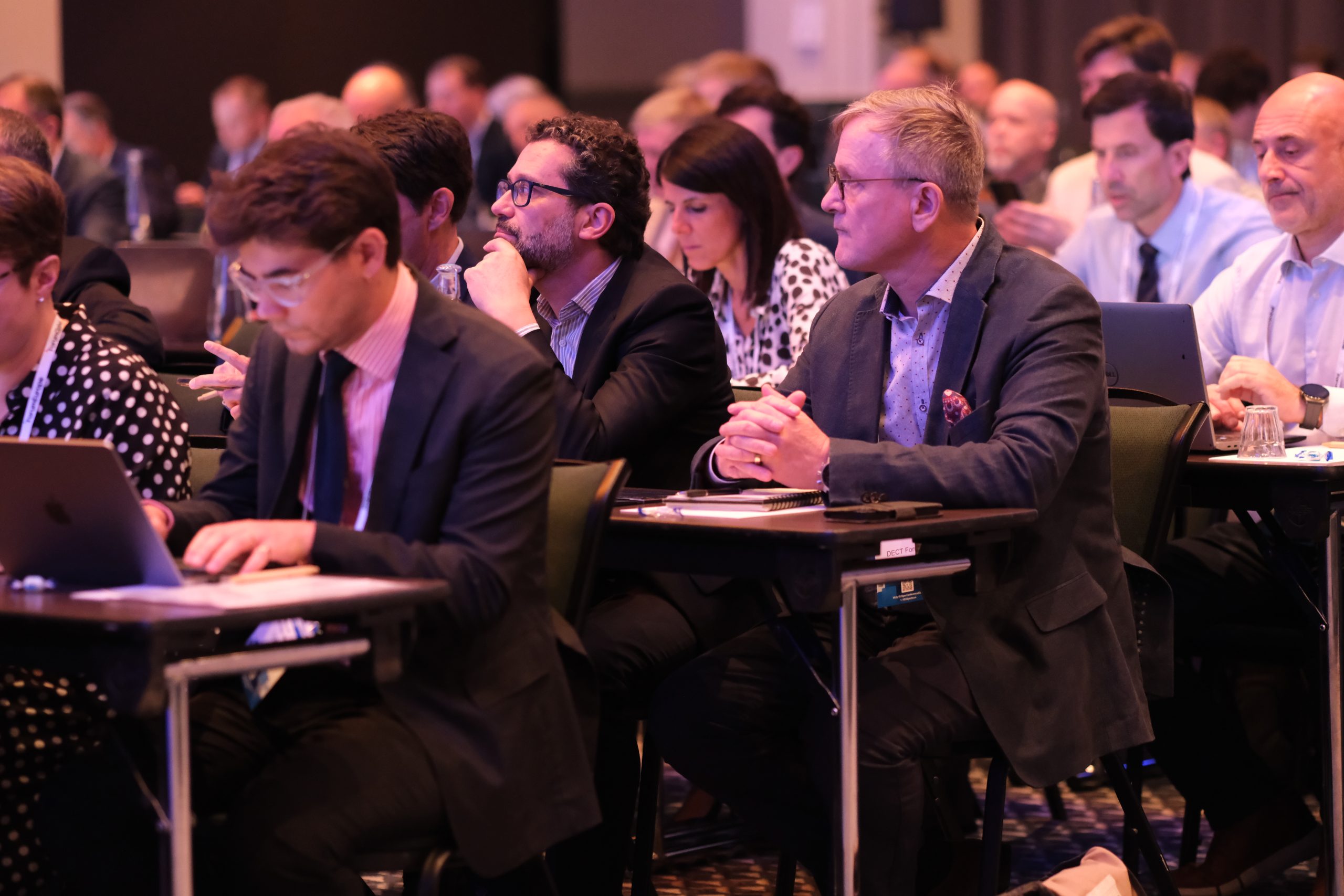
Attendees will have the opportunity to be involved in discussions on the key spectrum topics for Europe and beyond, through interactive sessions, networking opportunities, an exhibition area and much more.
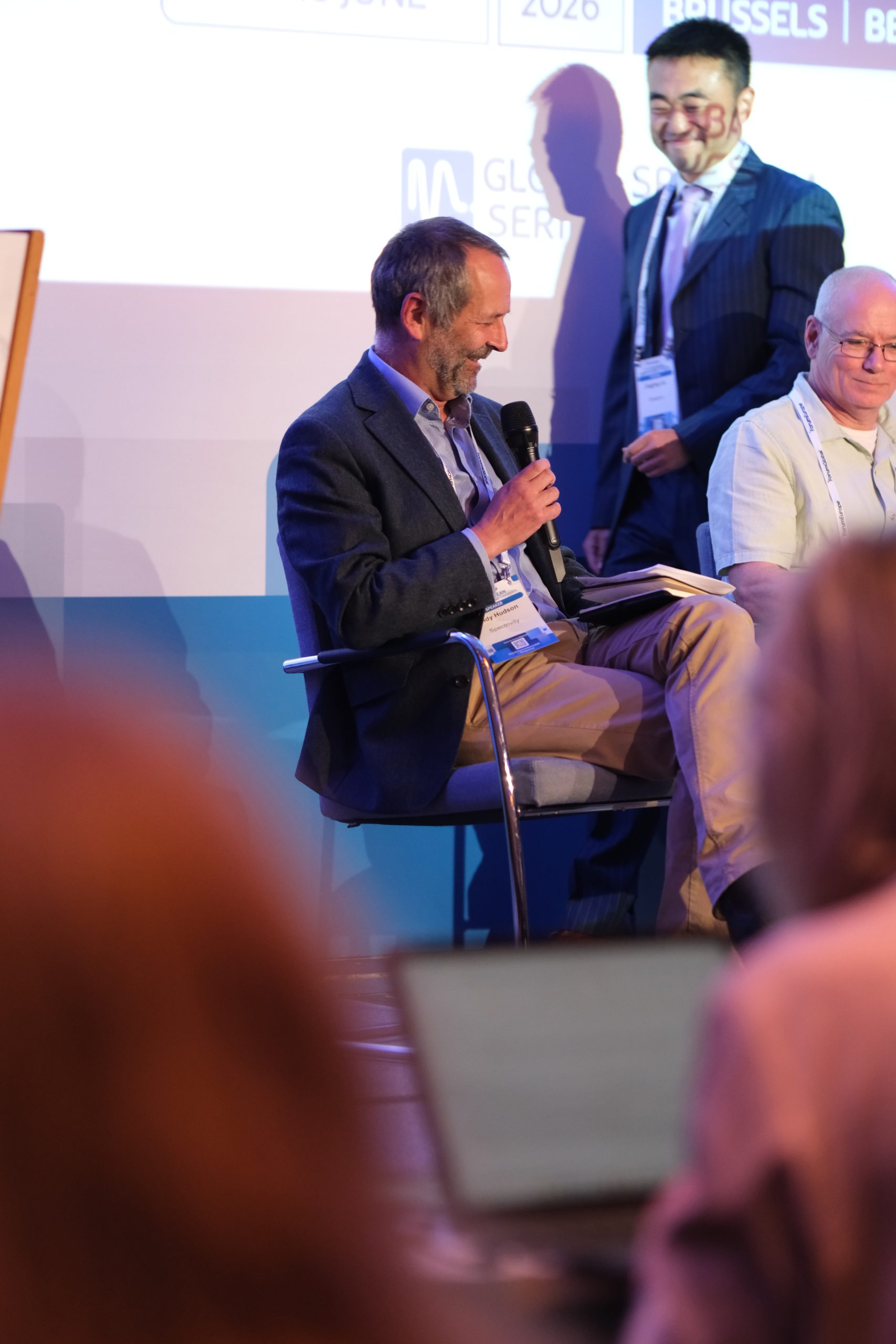
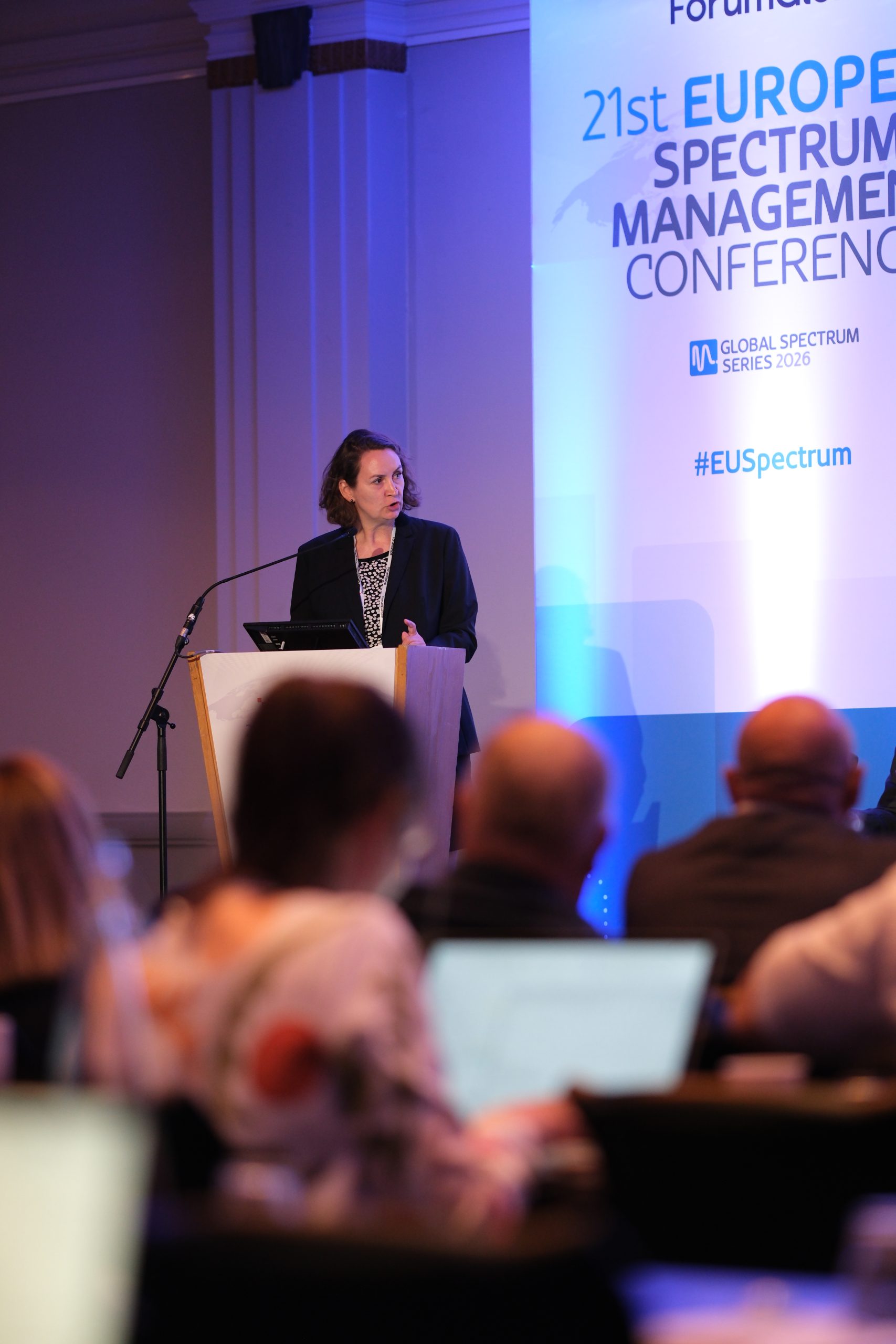
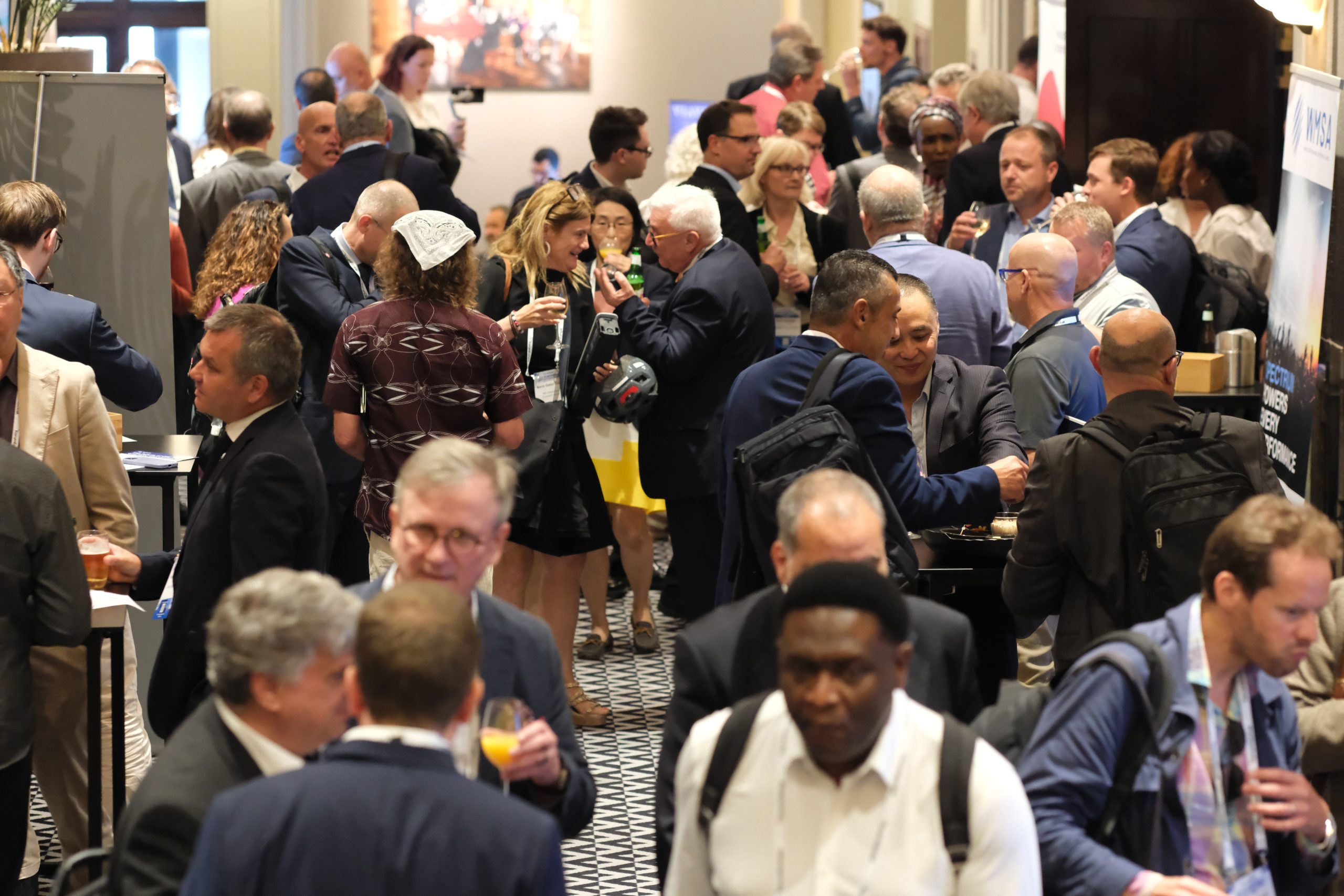
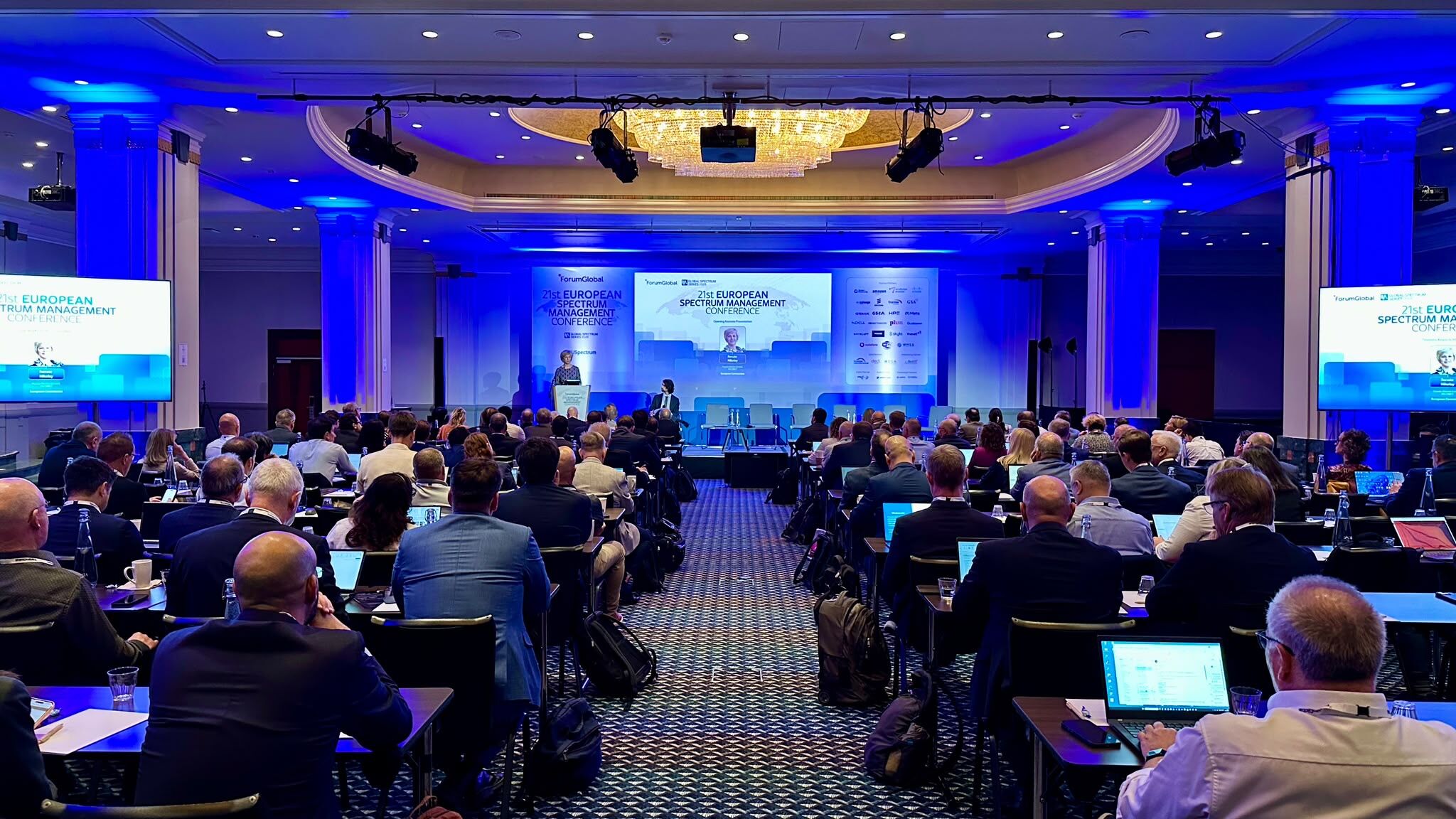
This event is part of The Global Spectrum Series, The world’s largest collection of regional spectrum policy conferences. Click on the images on the right to find out more about the series and to view the photos from 2025.
Taking place in Brussels on 19 June 2026 the European D2D Policy Forum will be held alongside the 21st European Spectrum Management Conference, join experts from across Europe and beyond to discuss the policy, technical and commercial challenges shaping this key technology in Europe. Find out more at d2dpolicy.eu
Forum Global Forum Global specialises in the organisation of policy-focused conferences on a global level.
Developed in partnership with businesses, institutions, regulators and governments throughout the world, our events provide a platform for stakeholders to engage in topical discussions, strengthen networks and establish new connections.
Since Forum Global’s inception in 2012, we have delivered over one hundred major international conferences across North America, South America, Asia, the Middle East, Africa and Europe.
We are tech policy specialists. We have launched international event initiatives focused on the Internet of Things and 5G, and are the creators of the world’s largest series of global conferences on wireless spectrum management issues – the Global Spectrum Series.
Amazon Amazon is guided by four principles: customer obsession rather than competitor focus, passion for invention, commitment to operational excellence, and long-term thinking. Amazon strives to be Earth’s most customer-centric company, Earth’s best employer, and Earth’s safest place to work. Customer reviews, 1-Click shopping, personalized recommendations, Prime, Fulfillment by Amazon, AWS, Kindle Direct Publishing, Kindle, Career Choice, Fire tablets, Fire TV, Amazon Echo, Alexa, Just Walk Out technology, Amazon Studios, and The Climate Pledge are some of the things pioneered by Amazon.
Analysys Mason Analysys Mason is the world’s leading management consultancy focused on telecoms, media and technology (TMT). They give clarity and confidence in answering our clients’ biggest commercial questions: What strategy will best enhance value? What implementation plan will be most successful? What is the optimal positioning for five years’ time?
Analysys Mason bring together commercial and technical expertise across four interconnected consultancy practices strengthened by globally respected research.
Cisco Cisco offers an industry-leading portfolio of technology innovations. With networking, security, collaboration, cloud management, and more, they help to securely connect industries and communities.
Coleago Consulting Coleago is a telecommunications consulting and training firm. We offer an experience-based consulting approach, with project teams entirely made up of partner-level consultants, each with a minimum of 20 years’ experience in the telecoms sector.
Ericsson Ericsson is a world-leading provider of telecommunications equipment and related services to mobile and fixed network operators globally. Over 1,000 networks in more than 180 countries utilize our network equipment and 40 percent of all mobile calls are made through our systems. We are one of the few companies worldwide that can offer end-to-end solutions for all major mobile communication standards. Communication is changing the way we live and work. Ericsson plays a key role in this evolution, using innovation to empower people, business and society. We provide communications networks, telecom services and multimedia solutions, making it easier for people all over the globe to communicate.
Globalstar Globalstar empowers its customers to connect, transmit and communicate in smarter ways – easily, quickly, securely, and affordably – offering reliable satellite and terrestrial connectivity services as an international telecom infrastructure provider and technology disruptor.
Global mobile Suppliers Association GSA (the Global mobile Suppliers Association) is a not-for-profit industry organisation representing companies across the worldwide mobile ecosystem who are engaged in the supply of infrastructure, semiconductors, test equipment, devices, applications, and mobile support services.
GSA actively promote the 3GPP technology road-map – 3G; 4G; 5G – and we are a single source of information for industry reports and market intelligence. Their Members drive the GSA agenda and define the communications and development strategy for the Association.
GSMA The GSMA represents the interests of mobile operators worldwide, uniting nearly 800 operators with more than 250 companies in the broader mobile ecosystem, including handset and device makers, software companies, equipment providers and Internet companies, as well as organisations in adjacent industry sectors. The GSMA also produces industry-leading events such as Mobile World Congress, Mobile World Congress Shanghai and the Mobile 360 Series conferences.
GSOA GSOA is a non-profit organisation established with the objective of serving and promoting the common interests of satellite operators from Europe, the Middle East, Africa and the CIS.
The Association today represents the interests of 21 satellite operators who deliver information communication services across the globe. Together ESOA Members provide invaluable communications services to the whole world including emergency communications, live broadcasting, maritime and aero communications, secure services for governments, 24-7 monitoring of industrial processes such as energy plants and a whole range of other communications capabilities that society has come to rely on.
HPE The Hewlett Packard Enterprise Company is an American multinational information technology company based in Spring, Texas. It is a business-focused organization which works in servers, storage, networking, containerization software and consulting and support.
Meta The metaverse is the next evolution of social connection. Our company’s vision is to help bring the metaverse to life, so we are changing our name to reflect our commitment to this future.
Nokia
Qualcomm Qualcomm’s technologies powered the smartphone revolution and connected billions of people. While many of our inventions and breakthroughs reside “under the hood” of consumer electronics, they have transformed the world in a big way. They have helped propel mobile to the forefront of the technology world and to the top of consumers’ wish lists. They have created new opportunities for mobile ecosystem players — the wireless device makers, the operators, the developers and the content creators of the world. And more recently, our inventions and breakthroughs have inspired fresh, new ideas from those companies — large and small — new to the wireless space. We are engineers, scientists and business strategists. Together, we focus on a single goal — invent mobile technology breakthroughs. We pioneered 3G and 4G — and now, we are leading the way to 5G and a new era of intelligent, connected devices. Our products are revolutionizing industries including automotive, computing, IoT and healthcare, and are allowing millions of devices to connect with each other in ways never before imagined.
Sateliot Pioneering the first LEO satellite constellation delivering NB-IoT connectivity from space, extending Mobile Telecom coverage to 100% of the planet. We’re enabling seamless, affordable, and truly global IoT communications by addressing the critical gaps in terrestrial networks: At Sateliot, we’re not just launching satellites—we’re shaping the future of global connectivity. By bridging the digital divide and powering worldwide digitalization, we’re laying the foundation for a resilient and strategic European infrastructure. Get in touch with our sales team: www.sateliot.com
Shure With a history of innovation that began in 1925, Shure has turned a passion for making great microphones and audio electronics into an obsession.
Shure continues to set the worldwide industry standard for superior, reliable products.
Wi-Fi Alliance Wi-Fi Alliance ® is the worldwide network of companies that brings you Wi Fi ® . Members of our collaboration forum come together from across the Wi-Fi ecosystem with the shared vision to connect everyone and everything, everywhere, while providing the best possible user experience.
Since 2000, Wi-Fi Alliance has completed more than 75,000 Wi-Fi certifications. The Wi-Fi CERTIFIED™ seal of approval designates products with proven interoperability, backward compatibility, and the highest industry-standard security protections in place.
Today, Wi-Fi carries more than half of the internet’s traffic in an ever-expanding variety of applications. Wi-Fi Alliance continues to drive the adoption and evolution of Wi-Fi, which billions of people rely on every day.
Broadcast Network Europe Broadcast Networks Europe is dedicated to maintaining an efficient and fair regulatory and operational environment for Terrestrial Broadcast Network Operators with a view to ensuring European citizens continue having universal access to a broad range of TV and radio programs and content as well as other over-the-air services.
Dynamic Spectrum Alliance (DSA) The Dynamic Spectrum Alliance (DSA) is a global, cross-industry, not for profit organization advocating for laws, regulations, and economic best practices that will lead to more efficient utilization of spectrum and foster innovation and affordable connectivity for all.
thinkRF thinkRF is one of the proud affiliates of the Wesley Clover International, a serial super angel, found or fund over 100 successful Information and Communications Technologies (ICT) companies, either independently or in partnership with other investors. The portfolio currently consists of public and private firms focused on next-generation Cloud and SaaS applications, hardware and services for fixed/mobile communications, video collaboration, customer engagement, analytics and more.
We are revolutionizing spectrum monitoring and intelligence. We provide ultimate visibility to wireless network operators and national regulatory agencies and empower them to optimize and utilize RF spectrum. We not only provide real-time, but also historical data and insights to guide wireless network operators in making informed decisions about their spectrum policies.
We are the leader in software-defined spectrum analysis platforms that monitor, detect and analyze complex waveforms in today’s rapidly evolving wireless landscape. Spectrum eXperience Management (SXM) is our subscription-based wireless network monitoring and intelligence solution. Wireless network operators can characterize, optimize and protect vital RF spectrum networks with real-time and historical insights on the state of wireless technologies.
Focustel FOCUSTEL DMCC is a technology-driven company founded in 2013, providing advanced solutions across network testing, telecom planning, EMF compliance, and transmission systems. With strong international partnerships and deep technical competencies, FOCUSTEL serves telecom operators, regulators, and enterprises with a comprehensive portfolio that includes test and measurement tools, transport and fiber solutions, network visibility, and security platforms.
We support mobile operators, ISPs, and regulatory bodies through services such as spectrum and EMF monitoring, network auditing, troubleshooting, and preventive maintenance strategy development. Our portfolio spans end-to-end testing — from fiber characterization to 4G/5G synchronization validation — and spectrum analysis including interference detection, cross-border audits, and EMF assessment.
FOCUSTEL is also a key provider of technical training and consultancy. Our programs cover 5G/4G technologies, IP/transport, spectrum management, and EMF awareness, helping clients enhance engineering and O&M performance. With trusted partners like VIAVI Solutions, Keysight, Forsk, Mobileum, GMV, , and Wavecontrol, FOCUSTEL empowers stakeholders to improve network efficiency, compliance, and readiness for next-generation connectivity.
LS telcom In a world where smart technologies determine our everyday life more and more, it is increasingly important to ensure global connectivity through wireless communication. This is where we, LS telcom AG, come into play: We deliver technologies and services to national and international regulatory authorities, network operators and vertical markets. 5G and IoT thereby form a main focus, but Defense and Public safety play an important role, too. LS telcom is the global leader in spectrum efficiency. In line with the diversification and commercialization of radio technologies there has been a constant increase in demand for frequency spectrum and its commercial value. Our Smart Spectrum Solutions hereby offer not only a high quality but also numerous designing, planning, management and monitoring options. Spectrum users in over 100 countries rely on our experts and products for efficient spectrum use. With around 235 employees in 15 subsidiaries worldwide we provide not only excellent products and services, but also a high number of diverse (online) trainings.
Sennheiser Audio specialist Sennheiser is one of the world’s leading manufacturers of headphones, microphones and wireless transmission systems. Based in Wedemark near Hanover, Germany, Sennheiser operates its own production facilities in Germany, Ireland and the USA and is active in more than 50 countries. With 19 sales subsidiaries and long-established trading partners, the company supplies innovative products and cutting-edge audio solutions that are optimally tailored to its customers’ needs.
Aetha Consulting Aetha Consulting provides strategic advice to the telecommunications industry and specialises in undertaking rigorous data-driven quantitative assessments to help businesses, regulators and policy makers make major strategic and regulatory decisions. We work with our clients to develop creative and sustainable solutions to the challenges facing them in a constantly changing environment. Aetha helps operators and regulators to analyse the opportunities and threats arising out of changes (whether real or proposed) in their radio spectrum holdings. Throughout the recent unprecedented growth of wireless services, Aetha’s staff have been at the forefront of spectrum policy. Our consultants have assisted regulators to award spectrum and develop regulatory frameworks, including supporting the European Commission to tackle issues such as spectrum trading and the digital dividend. We also support operators to understand their spectrum needs, value spectrum and bid in auctions. Each year we support around 10 bidders in spectrum auctions – a total of over 120 award processes between mid-2011 and 2023 across all regions of the world. Our technical knowledge, combined with our rigorous valuation modelling approach, ensures that our clients are comprehensively prepared for auctions.
NERA NERA Economic Consulting is a global firm of experts dedicated to applying economic, finance, and quantitative principles to complex business and legal challenges. For half a century, NERA’s economists have been creating strategies, studies, reports, expert testimony, and policy recommendations for government authorities and the world’s leading law firms and corporations. We bring academic rigor, objectivity, and real world industry experience to bear on issues arising from competition, regulation, public policy, strategy, finance, and litigation. NERA’s clients value our ability to apply and communicate state-of-the-art approaches clearly and convincingly, our commitment to deliver unbiased findings, and our reputation for quality and independence. Our clients rely on the integrity and skills of our unparalleled team of economists and other experts backed by the resources and reliability of one of the world’s largest economic consultancies. With its main office in New York City, NERA serves clients from more than 25 offices across North America, Europe, and Asia Pacific.
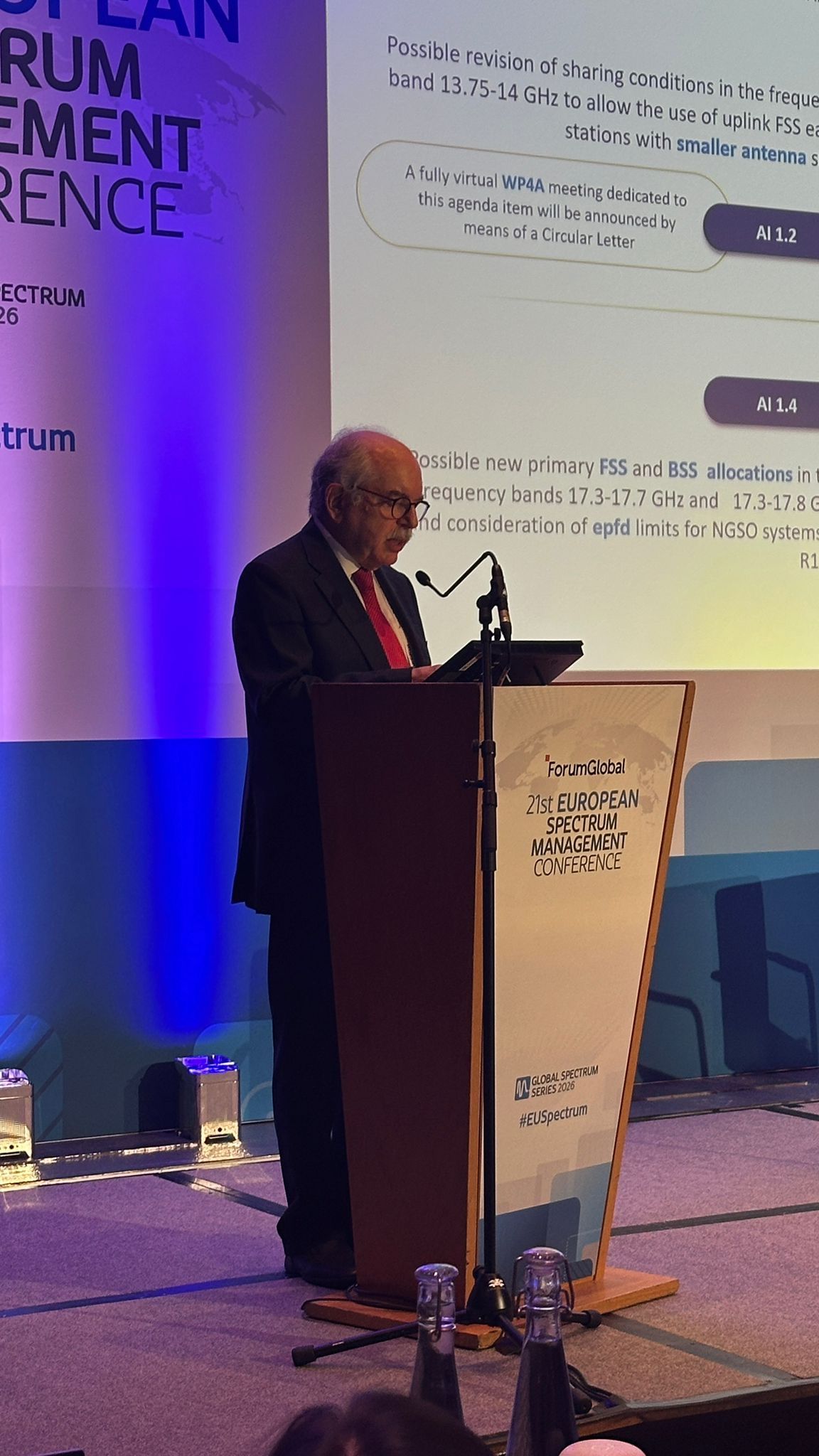
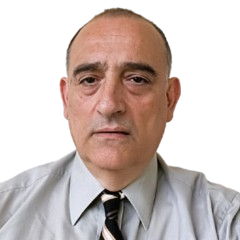
Mario Maniewicz, Director of the Radiocommunication Bureau, ITU Mario Maniewicz began his second term as Director of the Radiocommunication Bureau (BR) at the International Telecommunication Union (ITU) on 1 January 2023.
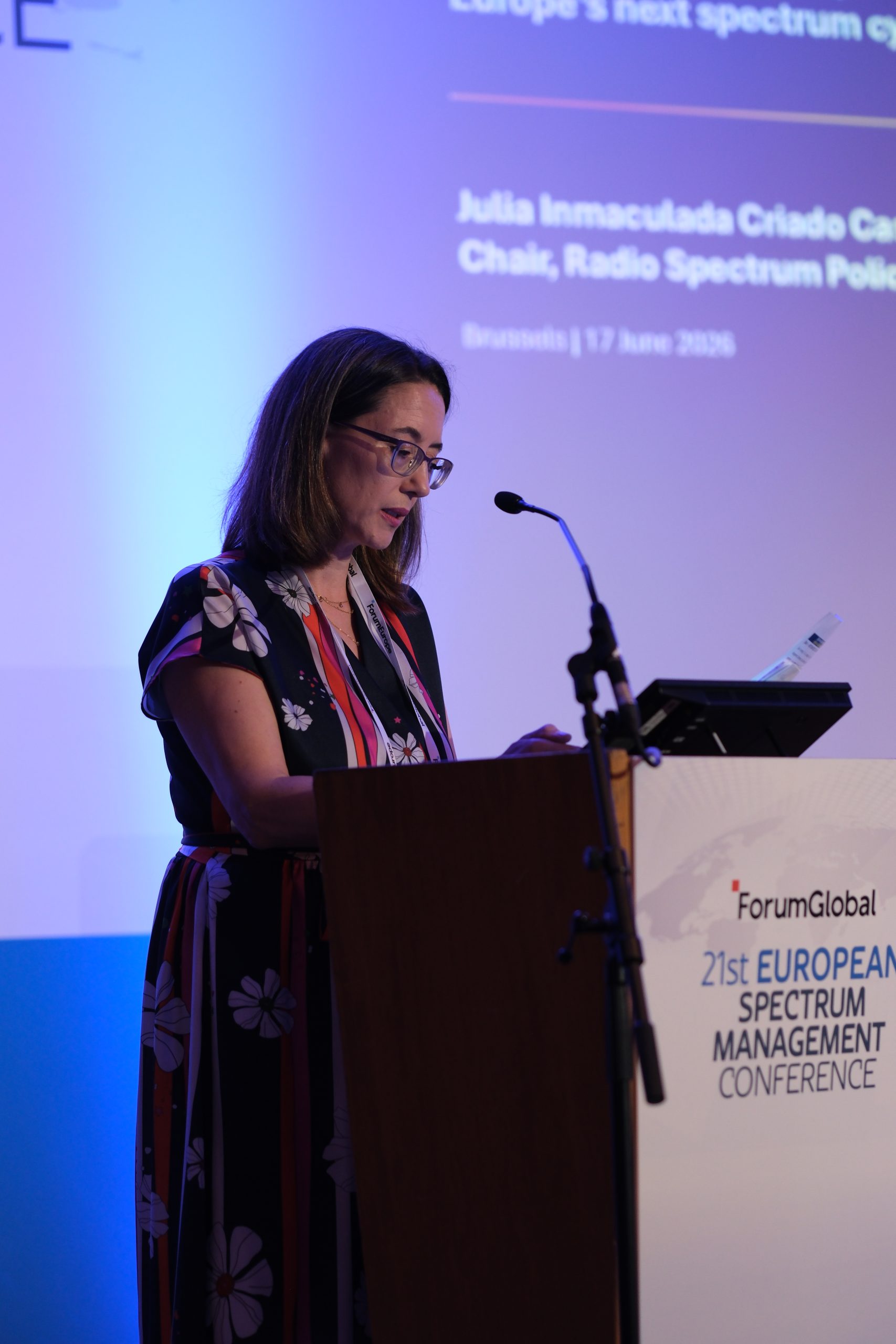
Julia Inmaculada Criado Casado, Chair, RSPG More information will be available shortly
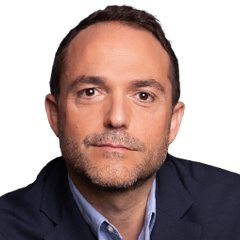
Gilles Brégant, CEO, ANFR, France Born in Chambéry (France) in 1963, Gilles Brégant graduated from Ecole Polytechnique (1986) then from Telecom ParisTech (1988). Following a 7-year-career at France Telecom research center, Gilles Brégant led the transition project from “Minitel” electronic directory to its companion website, www.pagesjaunes.fr. He was then appointed technical adviser to the Minister in charge of Research (1996-1997). He had to coordinate international projects and themes in relation to information technology. He then worked for the department of trade and industry as deputy director in charge of Prospective.
He was appointed secretary general of the ministerial task force “Digital Economy” (2001-2005). He was then appointed Technical Director of Conseil supérieur de l’audiovisuel (the French Media Regulator) in 2005.
Gilles Brégant has been the CEO of ANFR since 2011. He was elected President of RSPG in November 2011.
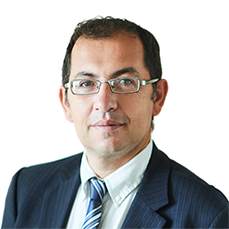
Stephen Talbot, Chairman of Conference Preparatory Group for WRC-27, CEPT Stephen is currently Head of International Spectrum Policy in the Spectrum Group in Ofcom (UK) and has been in that position for 9 years. He was the Deputy Head for the UK to CPM23-2 and WRC-23. Stephen has participated in the WRCs in 2012, 2015 and 2019 (in addition to the respective second CPM meetings).
Before his current position, he worked in the Ofcom team concerned with the UK spectrum award of the 10, 28, 32, and 40 GHz bands, in 2008. He also led a spectrum interference investigation team, during the London 2012 Olympics, with staff from the UK and several other CEPT (European Conference of Postal and Telecommunications) administrations.
Stephen has recently been selected as the Chair of the CEPT Group for the WRC-27 period.
During the WRC-23 period Stephen was the Chair of the CEPT Group addressing agenda items related to Science Issues and the CEPT view on the agenda items for WRC-27 and was additionally elected as Vice Chair for the duration of the CEPT CPG-23 process.
Prior to this he served as a Vice Chair of the ECC Working Group for Frequency Management (WG-FM), between June 2014 and November 2020. Whilst in that role he also served as the Chair of the ECC project team addressing the potential for “Wi-Fi” and similar systems in the 5925 – 6425 MHz band, that was subject to a European Commission Mandate.
Stephen has had a diverse exposure to a wide variety of spectrum sectors and disciplines, under the WRC processes and of the harmonisation functions of ECC.
Stephen holds a Higher National Certificate (HNC) in electronic and electrical engineering and has been with Ofcom since its inception in December 2003. Before Ofcom, Stephen worked at the Radiocommunications Agency (the Government predecessor to Ofcom) in several posts: Radio Investigation and Monitoring, Satellite and Space Sciences and the International Regulation Team.
Stephen is married with a family. He enjoys home mechanics, motorcycles, electronics and home improvements.
Christiane Seifert, Chair ECC, CEPT Chris Seifert is an accomplished professional with extensive experience in the fields of telecommunications, spectrum policy, and international regulatory affairs. Currently serving as the Chair of the Electronic Communications Committee (ECC), Chris has demonstrated exemplary leadership and expertise.
Chris’s journey in the telecommunications sector began in April 2010 when she joined the Federal Network Agency for Electricity, Gas, Telecommunications, Post and Railway (BNetzA) as the Assistant Head of Section for International Spectrum Policy. In this capacity, she has been a prominent representative in the Radio Spectrum Policy Group (RSPG) and the ECC, actively participating as Vice chair of the ECC and a member and (Co-)Chair of several subordinated groups.
Prior to her tenure at BNetzA, Chris worked at the Federal Ministry of Economics and Technology as the Assistant Head of Section for International Information and Communication Technologies Policy concerning the International Telecommunication Union (ITU). She played a significant role in the preparations for WRC-12 at both national and CEPT levels and in coordinating preparations for the ITU Council.
Chris’s educational background is equally impressive. She holds a Master of Arts in European Administrative Management from the Berlin School of Economics and Law, a first and second state examination in law (Bar exam).
Through her extensive work experience and academic achievements, Chris Seifert has established herself as a leading figure in international telecommunications and spectrum policy, contributing significantly to the advancement of regulatory frameworks and policy development on a global scale.
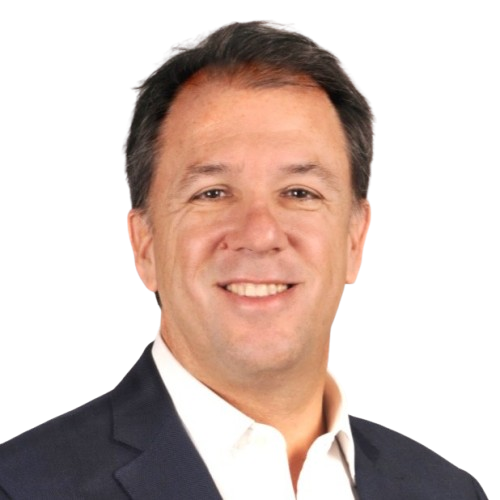
Alex Kühn, Head of Section – International & National Spectrum Management, BNetzA After a state exam in law at the University of Osnabrück, Mr Kühn has been working since 1998 in the area of legal internship (e.g. at Regional Court) of the Federal Network Agency Germany; changing to National and International Spectrum Regulation on different levels in 2005. Nowadays, he is the Deputy Head of Section for International Affairs and Utilization Concepts. His responsibilities cover strategic frequency utilization concepts and the transposition of those to the international level of CEPT, EU and ITU. Doing this and having been active in the preparation of three WRC’s, on national and on CEPT CPG level, Mr Kühn participated in a number of international Groups, also as Head of the German Delegation. He has also chaired several groups and subgroups in the ITU and CEPT. Since 2005, he has been responsible for the German preparation of the WRC’s and served as CEPT CPG Vice Chairman from 2010 to 2013. Mr Kühn was appointed Chairman of CPG in June 2013.
Martin Fenton, Director, Non-terrestrial Spectrum Engineering, Ofcom, United Kingdom Director of Spectrum Non-terrestrial Spectrum Engineering, Ofcom, United Kingdom
Martin is Director of Non-terrestrial Spectrum Engineering in the of the Spectrum Group of Ofcom (UK). Martin is responsible for providing authoritative technical direction for Ofcom’s work on spectrum and related matters covering non-terrestrial radiocommunications services (e.g. Satellite, Space, Science, Maritime and Aeronautical). He is an expert in international and domestic spectrum regulation; specialising in spectrum policy, interference analysis and RF performance. He has over 25 years’ experience in spectrum management at the UK communications regulator, Ofcom, and its predecessor, the Radiocommunications Agency. He is a former Chairman of ITU-R Study Group 5, the ITU group responsible for all terrestrial radio frequency services.
Jonas Wessel, Director, Spectrum Management, Swedish Post & Telecom Agency - PTS Jonas Wessel is Director of the Spectrum Department at the Swedish Post and Telecom Agency (PTS).
He was also Chair of the Radio Spectrum Policy Group (RSPG) for the 2018-2019 period. The RSPG is a high-level advisory group that assists the European Commission in the development of radio spectrum policy. Jonas holds a MSC from the Royal Institute of Technology (KTH) in Industrial Engineering and Management. Jonas started his professional career as a strategy consultant, working mainly with business development in the telecoms and IT-sector.
In 2003, he joined the PTS as advisor on radio spectrum policy issues. After several positions within the Agency, including responsibility for auctions, he was assigned Director of the Spectrum Department in 2014. Jonas has been one of the driving forces behind the transformation of spectrum management in Sweden and has also been working with these issues internationally, mainly through the RSPG where he has been a delegate since 2004. He was Vice Chairman of the RSPG for the 2016-2017 period.
Gerasimos Sofianatos, Head of Unit, Radio Spectrum Policy, DG CNECT, European Commission Gerasimos Sofianatos is Head of Unit of Connect B5, Radio Spectrum Policy Unit. Previously, he was Deputy Head of DG Connect Unit Connect B5, “Investment in high-capacity networks”. He has been working for the Commission since 2011, in different positions in DG Connect, in Directorate B, dealing with the policy and implementation of the EU Regulatory Framework for Electronic Communications. Gerasimos led the team monitoring and implementing EU law and in particular the European Electronic Communications Code, a piece of legislation in the drafting and negotiation of which he was actively involved. Prior to joining the Commission, Gerasimos worked as legal officer at the Cypriot National Regulatory Authority for Electronic Communications (OCECPR). Before joining the Commission, he was a Member of the Athens Bar Association and practiced competition law. He holds a Masters degree in Business Law and a PhD in competition law at the Paris 1- Sorbonne University. He holds a law degree from the Aristotle University of Thessaloniki and a post-graduate degree in Economics for Competition law from the King’s College London. Gerasimos is of Greek nationality and speaks Greek, English, and French.
Heidi Himmanen, Vice Chair, 6G Working Group, RSPG Dr. Heidi Himmanen is a Chief Adviser at the Finnish Transport and Communications Agency Traficom. She is co-chairing the 6G work in the Radio Spectrum Policy Group and has been involved in the IMT-2023 framework in ITU-R. Her task is to promote the uptake of 5G and 6G in different sectors of society, such as transport, cities, and industry. The work includes supporting trials, innovation, and R&D, bridging the needs of industries and verticals, and the development work in spectrum management.
Heidi has previously worked as Head of Spectrum Supervision and Head of the Radio Networks Unit at the Finnish Communications Regulatory Authority (today Traficom). She holds a D. Sc. (Tech.) degree in Telecommunications Engineering from the University of Turku, Finland, and an M. Sc. (Tech.) degree in Telecommunications Engineering from Helsinki University of Technology (today Aalto University), Finland.
As the EU’s proposed Digital Networks Act (DNA) enters the legislative phase, spectrum policy is emerging as one of its most significant and debated pillars. The panels in this session will concentrate on two central spectrum elements addressed in the Act — licensing and governance. Discussions will examine the specific proposals set out under the DNA in these areas, while also considering more broadly the path forward to ensure Europe delivers a robust, future-proof spectrum framework.
A central ambition of the Digital Networks Act is to modernise and streamline Europe’s spectrum governance framework. By bringing together the existing EECC and the Radio Spectrum Policy Programme (RSPP) into a single structure, and by clarifying the roles, relationships and coordination mechanisms between EU institutions and national authorities, the aim is to eliminate overlaps, simplify regulatory requirements and ease compliance burdens. This session will examine the proposals that have been made at a governance level, at how the split of responsibilities may be affected and the questions that are raised on the balance between national competence and European harmonisation. It will look more broadly at the impact that the DNA could have on spectrum governance across Europe, and whether it will deliver the increased consistency, investment certainty and strategic autonomy that is targeted, or if it risks adding new layers of complexity to an already intricate regulatory landscape.
The Digital Networks Act makes a number of key recommendations relating to Europe’s spectrum licensing regime. It proposes a move away from short-term, revenue-driven spectrum awards toward a framework centred on long-term access, stronger sharing obligations and greater EU-level oversight. Key proposals include very long or indefinite licences, new “use-it-or-share-it” obligations, increased scrutiny of national auction designs, and EU-wide authorization regimes, particularly for satellite communications. The aim is to improve investment predictability, reduce fragmentation and treat spectrum as strategic infrastructure rather than a fiscal asset. However, the proposals have triggered debate, with critics warning of reduced competition, blurred accountability between EU and national authorities, and added uncertainty around auctions and renewals. As satellite connectivity becomes more integrated into the framework, questions also arise around coexistence, security and governance. Against this backdrop, this session will examine how spectrum licensing, renewals, awards and pricing may evolve in Europe over the next decade.
Europe’s discussions about the future of the upper 6 GHz band (6.425–7.125 GHz) has entered a decisive new phase. The long awaited strategic opinion from the RSPG on the future of the band was released in November last year, proposing that 540 MHz of the available spectrum be prioritised for licensed mobile use. A decision on the remaining 160 MHz was then placed on hold until after WRC-27, pending the outcome of discussions on whether the 125 MHz of spectrum in the 7 GHz band currently under consideration will be IMT. At the same time, the UK is pressing ahead with its own approach in the band – a prioritised band split that would enable Wi-Fi access under automated frequency coordination (AFC), while reserving spectrum for future mobile deployment. Against the backdrop of the RSPG opinion but also considering the approach proposed by Ofcom and other developments that are being seen both in Europe and elsewhere, this session will look at whether we are finally approaching closure on the future use of this hotly contested band across Europe and elsewhere, and at what the decisions that are being taken may mean for mobile and unlicensed users, as well as more broadly for satellite, PMSE and other incumbent services operating in the band.
Europe’s 2 GHz mobile satellite service band is emerging as a focal point for some of the most complex spectrum policy questions facing the EU: how to balance continuity of existing services with the need for greater competition, how to enable new direct-to-device and IoT use cases, and how to align spectrum decisions with Europe’s broader ambitions on digital sovereignty. Long-held by a small number of incumbents under non-competitive licences, the band is now attracting strong interest from satellite newcomers, mobile operators and policymakers ahead of licence expiry in 2027. With proposals ranging from automatic renewal to full competitive reassignment, and from maintaining the current duopoly to more fragmented or shared band structures, the choices made on 2 GHz is key for the numerous different stakeholders staking a claim to the available bandwidth. This session will look at the current situation regarding the band and explore the options on the table and the different stakeholders that are staking a case for access to the prime spectrum that is available. More broadly, it will look at the extent to which the 2 GHz decision goes beyond being about one single band, and ask if it could set a template for the strategic direction of Europe’s future connectivity framework in the era of terrestrial–satellite convergence and 6G as the integration of terrestrial and non-terrestrial networks becomes more prevalent.
As satellites become more deeply embedded in Europe’s connectivity architecture, the regulatory and spectrum management landscape is entering a period of significant transition. The rapid expansion of NGSO constellations, the continued importance of GSO systems, and the emergence of hybrid, multi-orbit and direct-to-device models are blurring traditional distinctions between satellite and terrestrial services. This evolution is not only intensifying debates around interference management and EPFD limits, but also prompting more fundamental questions about how spectrum rights in space are defined, assigned and enforced. As orbital resources become increasingly congested and commercially valuable, policymakers must consider whether existing frameworks, largely designed for a different era of satellite activity, can still deliver long-term sustainability, fair competition and investment certainty. This session will explore the work that is continuing at both a European and international level on exploring whether the current approach to spectrum governance in space remains fit for purpose, or whether a broader rethink of spectrum rights and regulatory oversight is now required to support sustainable growth and effective coexistence across an increasingly integrated satellite-terrestrial ecosystem.
With WRC–27 now only 16 months away, we are more than halfway through the current WRC ‘cycle’, and positions are starting to emerge. In Europe, the next meeting of the CEPT Conference Preparatory Group is scheduled to be held in Latvia at the end of this month, and ahead of that, the RSPG are due to release their draft recommendations on EU positions for WRC in their plenary meeting held immediately prior to this conference. This session will look at the progress that is being made by CEPT and across Europe on key agenda items, examine the main recommendations that have been made by the RSPG draft opinion and look generally at the regional positions that are now emerging. It will look at areas in which alignment is now being seen, and the areas in which more work is required in order to reach a common position, before finally looking at the critical next steps in the months ahead to support ongoing preparations and help ensure a successful and coordinated regional outcome at WRC-27.
Nearly a decade after the first 5G spectrum awards and with work having begun on preparing the ground for 6G, this session will provide an opportunity to take stock on the extent to which Europe’s 5G spectrum and regulatory strategy has delivered. There have undoubtedly been challenges relating to 5G, particularly in areas such as monetisation and the roll-out of 5G standalone, but these are not limited to Europe. The key question, therefore, is whether Europe ultimately got its 5G strategy right, or whether different choices could have produced stronger outcomes. This interactive session will poll our audience on this question and more, with the aim of taking stock of Europe’s 5G journey and approach, and as we move towards 6G, crucially look at any lessons that can be taken and explore whether course correction is needed for the decade ahead.
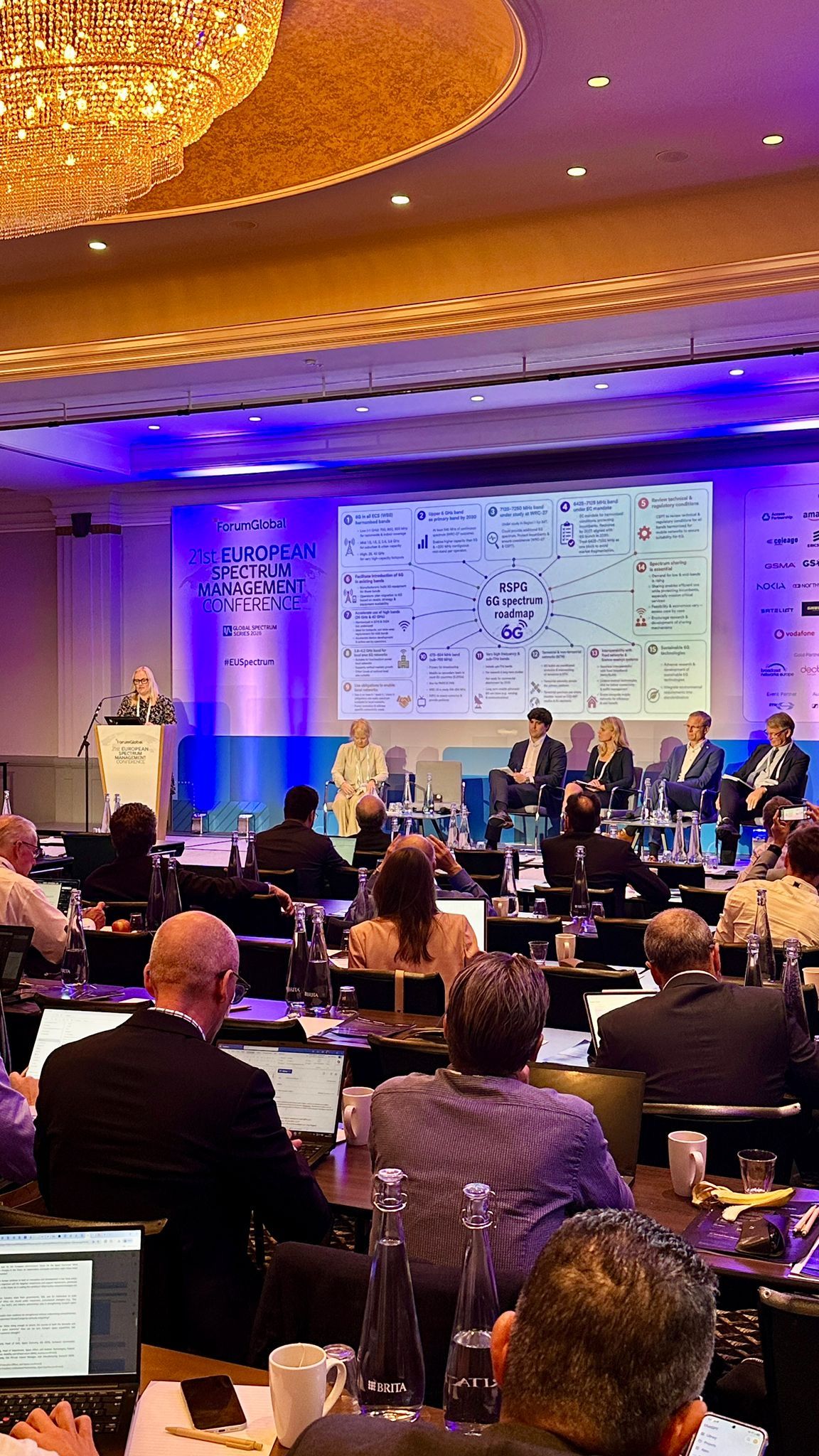
Europe is stepping up its preparations for 6G. In February this year, the RSPG published its draft Opinion on a European 6G Spectrum Roadmap, identifying a range of low, mid and high-band frequencies as potential candidates, while clearly positioning the upper 6 GHz band as the leading option for initial 6G deployment in Europe by 2030. Following a public consultation, the final Opinion is expected to be adopted at the RSPG plenary taking place immediately ahead of this conference. Against this backdrop, this session will examine the roadmap’s key recommendations and what they signal for Europe’s longer-term 6G spectrum strategy. With the proposed prioritisation of the upper 6 GHz band placing Europe on a different trajectory from other regions, notably the United States, which has designated the band for unlicensed use and is instead looking to use the 7.125 – 7.4 GHz band for 6G, the discussion will explore the broader implications of this divergence, including what it could mean for global harmonisation, device ecosystems, and Europe’s competitiveness in the emerging 6G landscape.
As spectrum demand intensifies, sharing is increasingly shifting from being seen as a complementary policy tool to a more central element of spectrum strategy. In Europe, this evolution is reflected by its inclusion in recent key policy materials – the Digital Networks Act and RSPG’s draft 6G Spectrum Roadmap, for example, both highlight the importance of sharing and coexistence frameworks as key components of Europe’s future approach. At the same time, rapid technological progress is broadening what can realistically be achieved. In this context, the debate is no longer about whether spectrum sharing is viable, but about how far it can be scaled, and under which regulatory and market conditions. This session will focus on this question and examine the next steps and likely timelines ahead. It will explore emerging new sharing models and the best way to maximise their potential; as well as the conditions and protections that need to be in place to ensure that efficiency gains are balanced with the need for investment certainty and quality-of-service guarantees.
Europe is often seen as leading the way when it comes to delivering spectrum for private networks and industrial users. Spectrum in the 3.8GHz – 4.2GHz range has been harmonised across the region for local and vertical use, and member states are moving forward with the use of various shared, licensed and hybrid models to support private networks across different sectors. Yet questions remain around uptake: how extensively are locally assigned bands actually being used, which regulatory models are proving most effective, and how can spectrum policy best support Europe’s industrial competitiveness? In addition, the spectrum currently allocated for industrial use sits within the prime c-band range that is increasingly being considered in other regions as a candidate for additional 5G or even 6G capacity, and further debate is emerging over whether this remains the most appropriate long-term home for local networks. This session will look to explore all of this. Considering both 5G and other key connectivity technologies such as Wi-Fi, satellite and IoT, it will examine how different approaches to delivering private networks and vertical connectivity are performing in practice, and whether current frameworks are delivering scale, efficiency and measurable impact. It will also explore the longer-term strategic choices facing Europe, including whether the existing band plan strikes the right balance between acting as a catalyst for innovation across key vertical sectors and meeting wider mobile capacity needs in the decade ahead.
The RSPG’s final report on the future use of sub-700 MHz spectrum beyond 2030, published last November, highlights an increasingly complex and divergent landscape for the 470–694 MHz band. While DTT remains central in many Member States, with some investing in next-generation technologies and long-term licence extensions, others anticipate scaling back or ending DTT operations by 2030. For PMSE, another incumbent user, there is broader consensus, with most Member States indicating continued need for the full band and few viable alternatives. This session will look at what the findings mean for the future of the band and the key incumbent users, as well as for the ambitions of the mobile sector who view the band as a key low-frequency coverage layer, essential for rural reach, indoor penetration and network resilience. In the absence of a single EU-wide trajectory, this session will look at the path that needs to be taken to shape a flexible, forward-looking framework that balances coexistence, investment certainty and long-term spectrum value.
As the EU’s proposed Digital Networks Act (DNA) enters the legislative phase, spectrum policy is emerging as one of its most significant and debated pillars. The panels in this session will concentrate on two central spectrum elements addressed in the Act — licensing and governance. Discussions will examine the specific proposals set out under the DNA in these areas, while also considering more broadly the path forward to ensure Europe delivers a robust, future-proof spectrum framework.
A central ambition of the Digital Networks Act is to modernise and streamline Europe’s spectrum governance framework. By bringing together the existing EECC and the Radio Spectrum Policy Programme (RSPP) into a single structure, and by clarifying the roles, relationships and coordination mechanisms between EU institutions and national authorities, the aim is to eliminate overlaps, simplify regulatory requirements and ease compliance burdens. This session will examine the proposals that have been made at a governance level, at how the split of responsibilities may be affected and the questions that are raised on the balance between national competence and European harmonisation. It will look more broadly at the impact that the DNA could have on spectrum governance across Europe, and whether it will deliver the increased consistency, investment certainty and strategic autonomy that is targeted, or if it risks adding new layers of complexity to an already intricate regulatory landscape.
The Digital Networks Act makes a number of key recommendations relating to Europe’s spectrum licensing regime. It proposes a move away from short-term, revenue-driven spectrum awards toward a framework centred on long-term access, stronger sharing obligations and greater EU-level oversight. Key proposals include very long or indefinite licences, new “use-it-or-share-it” obligations, increased scrutiny of national auction designs, and EU-wide authorization regimes, particularly for satellite communications. The aim is to improve investment predictability, reduce fragmentation and treat spectrum as strategic infrastructure rather than a fiscal asset. However, the proposals have triggered debate, with critics warning of reduced competition, blurred accountability between EU and national authorities, and added uncertainty around auctions and renewals. As satellite connectivity becomes more integrated into the framework, questions also arise around coexistence, security and governance. Against this backdrop, this session will examine how spectrum licensing, renewals, awards and pricing may evolve in Europe over the next decade.
Europe’s discussions about the future of the upper 6 GHz band (6.425–7.125 GHz) has entered a decisive new phase. The long awaited strategic opinion from the RSPG on the future of the band was released in November last year, proposing that 540 MHz of the available spectrum be prioritised for licensed mobile use. A decision on the remaining 160 MHz was then placed on hold until after WRC-27, pending the outcome of discussions on whether the 125 MHz of spectrum in the 7 GHz band currently under consideration will be IMT. At the same time, the UK is pressing ahead with its own approach in the band – a prioritised band split that would enable Wi-Fi access under automated frequency coordination (AFC), while reserving spectrum for future mobile deployment. Against the backdrop of the RSPG opinion but also considering the approach proposed by Ofcom and other developments that are being seen both in Europe and elsewhere, this session will look at whether we are finally approaching closure on the future use of this hotly contested band across Europe and elsewhere, and at what the decisions that are being taken may mean for mobile and unlicensed users, as well as more broadly for satellite, PMSE and other incumbent services operating in the band.
Europe’s 2 GHz mobile satellite service band is emerging as a focal point for some of the most complex spectrum policy questions facing the EU: how to balance continuity of existing services with the need for greater competition, how to enable new direct-to-device and IoT use cases, and how to align spectrum decisions with Europe’s broader ambitions on digital sovereignty. Long-held by a small number of incumbents under non-competitive licences, the band is now attracting strong interest from satellite newcomers, mobile operators and policymakers ahead of licence expiry in 2027. With proposals ranging from automatic renewal to full competitive reassignment, and from maintaining the current duopoly to more fragmented or shared band structures, the choices made on 2 GHz is key for the numerous different stakeholders staking a claim to the available bandwidth. This session will look at the current situation regarding the band and explore the options on the table and the different stakeholders that are staking a case for access to the prime spectrum that is available. More broadly, it will look at the extent to which the 2 GHz decision goes beyond being about one single band, and ask if it could set a template for the strategic direction of Europe’s future connectivity framework in the era of terrestrial–satellite convergence and 6G as the integration of terrestrial and non-terrestrial networks becomes more prevalent.
As satellites become more deeply embedded in Europe’s connectivity architecture, the regulatory and spectrum management landscape is entering a period of significant transition. The rapid expansion of NGSO constellations, the continued importance of GSO systems, and the emergence of hybrid, multi-orbit and direct-to-device models are blurring traditional distinctions between satellite and terrestrial services. This evolution is not only intensifying debates around interference management and EPFD limits, but also prompting more fundamental questions about how spectrum rights in space are defined, assigned and enforced. As orbital resources become increasingly congested and commercially valuable, policymakers must consider whether existing frameworks, largely designed for a different era of satellite activity, can still deliver long-term sustainability, fair competition and investment certainty. This session will explore the work that is continuing at both a European and international level on exploring whether the current approach to spectrum governance in space remains fit for purpose, or whether a broader rethink of spectrum rights and regulatory oversight is now required to support sustainable growth and effective coexistence across an increasingly integrated satellite-terrestrial ecosystem.
With WRC–27 now only 16 months away, we are more than halfway through the current WRC ‘cycle’, and positions are starting to emerge. In Europe, the next meeting of the CEPT Conference Preparatory Group is scheduled to be held in Latvia at the end of this month, and ahead of that, the RSPG are due to release their draft recommendations on EU positions for WRC in their plenary meeting held immediately prior to this conference. This session will look at the progress that is being made by CEPT and across Europe on key agenda items, examine the main recommendations that have been made by the RSPG draft opinion and look generally at the regional positions that are now emerging. It will look at areas in which alignment is now being seen, and the areas in which more work is required in order to reach a common position, before finally looking at the critical next steps in the months ahead to support ongoing preparations and help ensure a successful and coordinated regional outcome at WRC-27.
Nearly a decade after the first 5G spectrum awards and with work having begun on preparing the ground for 6G, this session will provide an opportunity to take stock on the extent to which Europe’s 5G spectrum and regulatory strategy has delivered. There have undoubtedly been challenges relating to 5G, particularly in areas such as monetisation and the roll-out of 5G standalone, but these are not limited to Europe. The key question, therefore, is whether Europe ultimately got its 5G strategy right, or whether different choices could have produced stronger outcomes. This interactive session will poll our audience on this question and more, with the aim of taking stock of Europe’s 5G journey and approach, and as we move towards 6G, crucially look at any lessons that can be taken and explore whether course correction is needed for the decade ahead.
Europe is stepping up its preparations for 6G. In February this year, the RSPG published its draft Opinion on a European 6G Spectrum Roadmap, identifying a range of low, mid and high-band frequencies as potential candidates, while clearly positioning the upper 6 GHz band as the leading option for initial 6G deployment in Europe by 2030. Following a public consultation, the final Opinion is expected to be adopted at the RSPG plenary taking place immediately ahead of this conference. Against this backdrop, this session will examine the roadmap’s key recommendations and what they signal for Europe’s longer-term 6G spectrum strategy. With the proposed prioritisation of the upper 6 GHz band placing Europe on a different trajectory from other regions, notably the United States, which has designated the band for unlicensed use and is instead looking to use the 7.125 – 7.4 GHz band for 6G, the discussion will explore the broader implications of this divergence, including what it could mean for global harmonisation, device ecosystems, and Europe’s competitiveness in the emerging 6G landscape.
As spectrum demand intensifies, sharing is increasingly shifting from being seen as a complementary policy tool to a more central element of spectrum strategy. In Europe, this evolution is reflected by its inclusion in recent key policy materials – the Digital Networks Act and RSPG’s draft 6G Spectrum Roadmap, for example, both highlight the importance of sharing and coexistence frameworks as key components of Europe’s future approach. At the same time, rapid technological progress is broadening what can realistically be achieved. In this context, the debate is no longer about whether spectrum sharing is viable, but about how far it can be scaled, and under which regulatory and market conditions. This session will focus on this question and examine the next steps and likely timelines ahead. It will explore emerging new sharing models and the best way to maximise their potential; as well as the conditions and protections that need to be in place to ensure that efficiency gains are balanced with the need for investment certainty and quality-of-service guarantees.
Europe is often seen as leading the way when it comes to delivering spectrum for private networks and industrial users. Spectrum in the 3.8GHz – 4.2GHz range has been harmonised across the region for local and vertical use, and member states are moving forward with the use of various shared, licensed and hybrid models to support private networks across different sectors. Yet questions remain around uptake: how extensively are locally assigned bands actually being used, which regulatory models are proving most effective, and how can spectrum policy best support Europe’s industrial competitiveness? In addition, the spectrum currently allocated for industrial use sits within the prime c-band range that is increasingly being considered in other regions as a candidate for additional 5G or even 6G capacity, and further debate is emerging over whether this remains the most appropriate long-term home for local networks. This session will look to explore all of this. Considering both 5G and other key connectivity technologies such as Wi-Fi, satellite and IoT, it will examine how different approaches to delivering private networks and vertical connectivity are performing in practice, and whether current frameworks are delivering scale, efficiency and measurable impact. It will also explore the longer-term strategic choices facing Europe, including whether the existing band plan strikes the right balance between acting as a catalyst for innovation across key vertical sectors and meeting wider mobile capacity needs in the decade ahead.
The RSPG’s final report on the future use of sub-700 MHz spectrum beyond 2030, published last November, highlights an increasingly complex and divergent landscape for the 470–694 MHz band. While DTT remains central in many Member States, with some investing in next-generation technologies and long-term licence extensions, others anticipate scaling back or ending DTT operations by 2030. For PMSE, another incumbent user, there is broader consensus, with most Member States indicating continued need for the full band and few viable alternatives. This session will look at what the findings mean for the future of the band and the key incumbent users, as well as for the ambitions of the mobile sector who view the band as a key low-frequency coverage layer, essential for rural reach, indoor penetration and network resilience. In the absence of a single EU-wide trajectory, this session will look at the path that needs to be taken to shape a flexible, forward-looking framework that balances coexistence, investment certainty and long-term spectrum value.
This event is taking place as part of the Global Spectrum Series, for further information on speaking, sponsorship or visibility opportunities, and to discuss how you can maximize the value of involvement, please contact Dan Craft on dan.craft@forum-global.com or on +44 (0) 2920 783 020.
More than 1800 unique attendees in 2025 with opportunities such as exhibitions, demos, and private lunches
Please kindly note that this will be a fully in-person event, taking place at the DoubleTree by Hilton, Brussels. There will be no virtual element to this event.
Registration is now open.
* Please kindly note that the early bird rate is available until 17 May 2026
DoubleTree by Hilton Brussels City,
Rue Gineste 3,
1210 Bruxelles,
Belgium
If you and your team need a hotel bedroom for the duration of the event, we have negotiated a special rate for accommodation at the DoubleTree by Hilton Brussels City.
Please click here to book your room.
The conference will take place at the DoubleTree by Hilton Brussels City.
The event costs can be found here.
You can find more information on the Global Spectrum Series here.
Yes, registration grants access to both conference days.
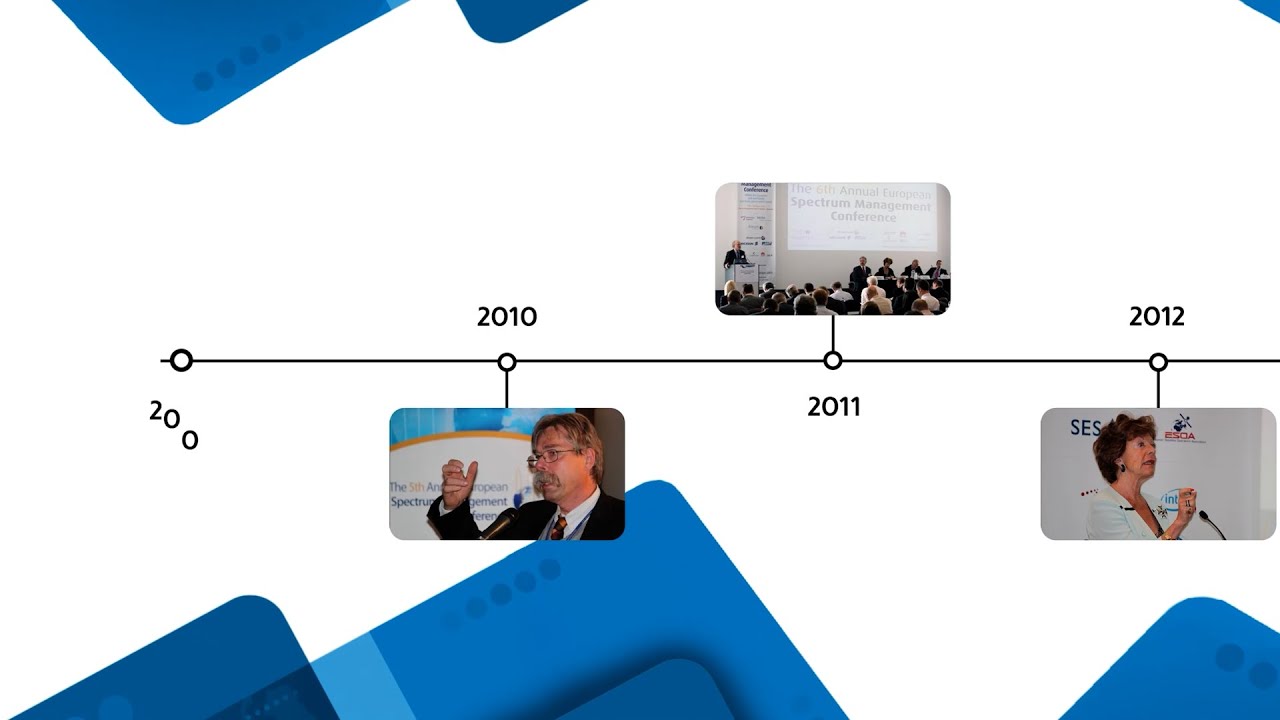
Since 2006, the conference has brought together thousands of policymakers, regulators, industry leaders and technical experts to shape the future of wireless connectivity in Europe and beyond. This event is taking place as part of The Global Spectrum Series.
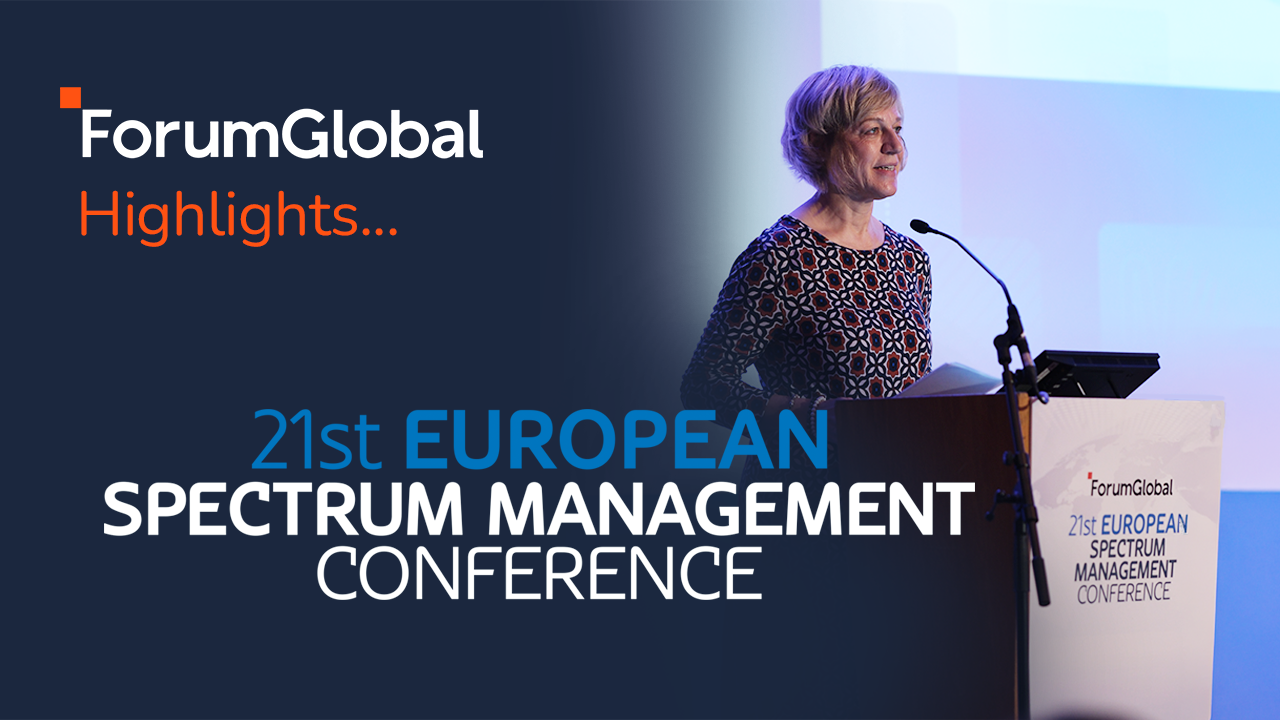
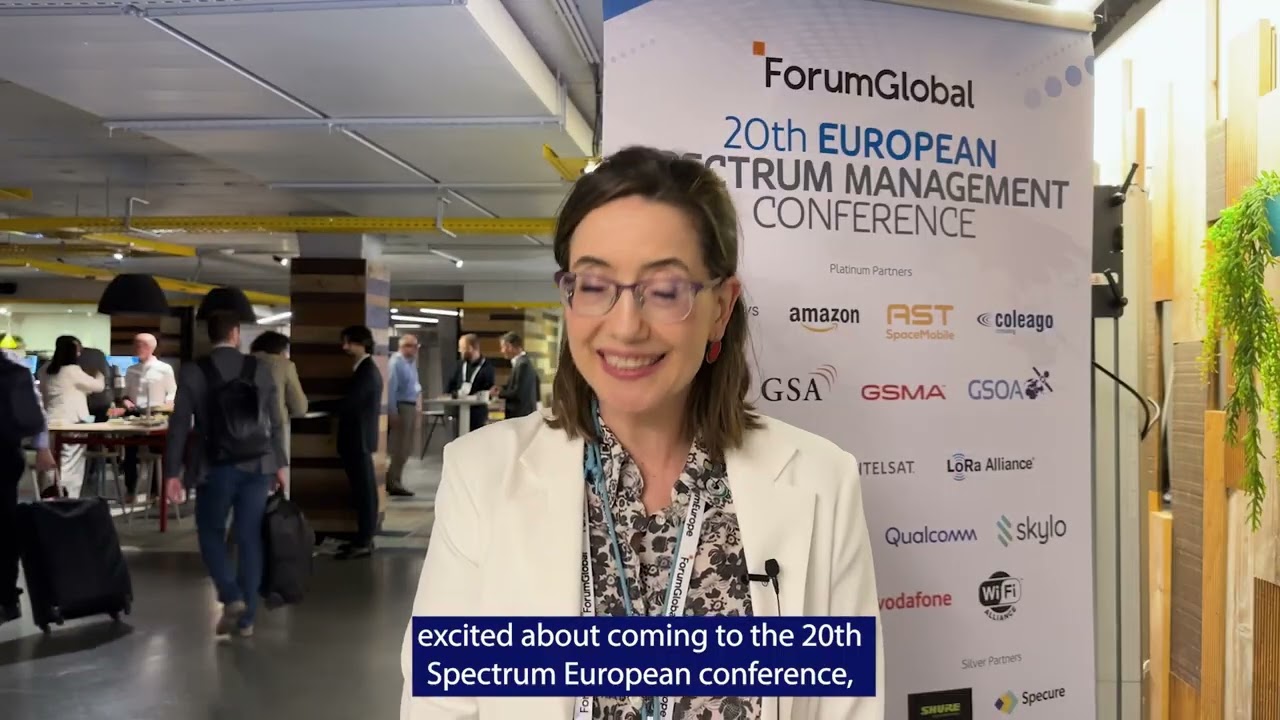
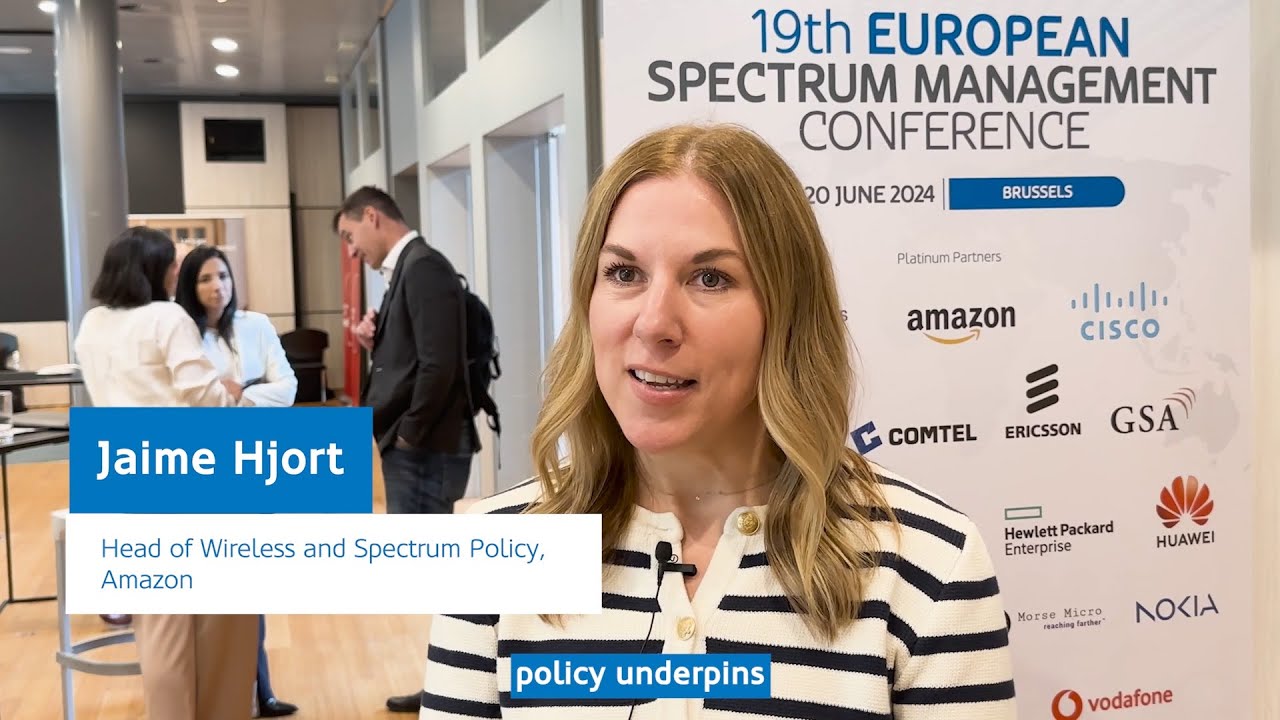
Over 250 delegates joined 2 days of discussions in Brussels in June 2025. Watch the highlights from the two days below.


For more information on any aspect of this event, please contact Chanice Stones using any of the following details:
spectrum-management@forum-global.com
Tel: +44 (0)7701 218397
Sign up to receive updates on our upcoming policy events. We will only send you emails about the conferences and topics that interest you, and you can unsubscribe at any time.
Forum Global Forum Global specialises in the organisation of policy-focused conferences on a global level.
Developed in partnership with businesses, institutions, regulators and governments throughout the world, our events provide a platform for stakeholders to engage in topical discussions, strengthen networks and establish new connections.
Since Forum Global’s inception in 2012, we have delivered over one hundred major international conferences across North America, South America, Asia, the Middle East, Africa and Europe.
We are tech policy specialists. We have launched international event initiatives focused on the Internet of Things and 5G, and are the creators of the world’s largest series of global conferences on wireless spectrum management issues – the Global Spectrum Series.
Analysys Mason Analysys Mason is the world’s leading management consultancy focused on telecoms, media and technology (TMT). They give clarity and confidence in answering our clients’ biggest commercial questions: What strategy will best enhance value? What implementation plan will be most successful? What is the optimal positioning for five years’ time?
Analysys Mason bring together commercial and technical expertise across four interconnected consultancy practices strengthened by globally respected research.
Amazon Amazon is guided by four principles: customer obsession rather than competitor focus, passion for invention, commitment to operational excellence, and long-term thinking. Amazon strives to be Earth’s most customer-centric company, Earth’s best employer, and Earth’s safest place to work. Customer reviews, 1-Click shopping, personalized recommendations, Prime, Fulfillment by Amazon, AWS, Kindle Direct Publishing, Kindle, Career Choice, Fire tablets, Fire TV, Amazon Echo, Alexa, Just Walk Out technology, Amazon Studios, and The Climate Pledge are some of the things pioneered by Amazon.
AST Space Mobile The mission at AST SpaceMobile is to develop the foundation for an increasingly interconnected society. Collaborating with cellular providers in the U.S. and around the world will facilitate our goal to improve internet access globally. They employ patented technology to provide seamless connections from almost anywhere.
Coleago Consulting Coleago profile for conference website Founded in 2001, Coleago is a specialist telecoms management consulting firm. Our expertise has been developed exclusively within the telecoms sector and delivers a rare combination of telecoms-related commercial and technical skills and experience. Since 2001 we have worked on over 110 spectrum related projects in developed and emerging markets. Since 2017 our spectrum projects included the transition to 5G, including valuating spectrum most relevant for 5G such as 600MHz, 700MHz, 3.5GHz, and mm wave. We advise regulators on spectrum policy, spectrum roadmap, spectrum pricing, spectrum auctions and capacity building on the topic best practice in spectrum auctions. For mobile operators Coleago delivers regulatory advocacy and responses to consultation, spectrum valuation, bid strategy development and live auction support. Coleago also authored complete bid books for spectrum licence awards by means of a beauty contest.
Ericsson Ericsson is a world-leading provider of telecommunications equipment and related services to mobile and fixed network operators globally. Over 1,000 networks in more than 180 countries utilize our network equipment and 40 percent of all mobile calls are made through our systems. We are one of the few companies worldwide that can offer end-to-end solutions for all major mobile communication standards. Communication is changing the way we live and work. Ericsson plays a key role in this evolution, using innovation to empower people, business and society. We provide communications networks, telecom services and multimedia solutions, making it easier for people all over the globe to communicate.
Global mobile Suppliers Association GSA (the Global mobile Suppliers Association) is a not-for-profit industry organisation representing companies across the worldwide mobile ecosystem who are engaged in the supply of infrastructure, semiconductors, test equipment, devices, applications, and mobile support services.
GSA actively promote the 3GPP technology road-map – 3G; 4G; 5G – and we are a single source of information for industry reports and market intelligence. Their Members drive the GSA agenda and define the communications and development strategy for the Association.
GSMA The GSMA represents the interests of mobile operators worldwide, uniting nearly 800 operators with more than 250 companies in the broader mobile ecosystem, including handset and device makers, software companies, equipment providers and Internet companies, as well as organisations in adjacent industry sectors. The GSMA also produces industry-leading events such as Mobile World Congress, Mobile World Congress Shanghai and the Mobile 360 Series conferences.
GSOA GSOA is a non-profit organisation established with the objective of serving and promoting the common interests of satellite operators from Europe, the Middle East, Africa and the CIS. The Association today represents the interests of 21 satellite operators who deliver information communication services across the globe. Together ESOA Members provide invaluable communications services to the whole world including emergency communications, live broadcasting, maritime and aero communications, secure services for governments, 24-7 monitoring of industrial processes such as energy plants and a whole range of other communications capabilities that society has come to rely on.
Hewlett Packard Enterprise HPE is a global, edge-to-cloud Platform-as-a-Service company built to transform your business. How? By helping you connect, protect, analyse and act on all your data and applications wherever they live, from edge to cloud, so you can turn insights into outcomes at the speed required to thrive in today’s complex world.
Intelsat Intelsat S.A. (NYSE: I) operates the world’s first Globalized Network, delivering high-quality, cost-effective video and broadband services anywhere in the world. Intelsat’s Globalized Network combines the world’s largest satellite backbone with terrestrial infrastructure, managed services and an open, interoperable architecture to enable customers to drive revenue and reach through a new generation of network services. Thousands of organizations serving billions of people worldwide rely on Intelsat to provide ubiquitous broadband connectivity, multi-format video broadcasting, secure satellite communications and seamless mobility services. The end result is an entirely new world, one that allows us to envision the impossible, connect without boundaries and transform the ways in which we live. For more information, visit www.intelsat.com.
LoRa Alliance The LoRa Alliance® is an open, nonprofit association that has become one of the largest and fastest-growing alliances in the technology sector since its inception in 2015. Its members closely collaborate and share expertise to develop and promote the LoRaWAN® standard, which is the de facto global standard for secure, carrier-grade IoT LPWAN connectivity. LoRaWAN has the technical flexibility to address a broad range of IoT applications, both fixed and mobile, and a robust LoRaWAN Certification program to guarantee that devices perform as specified.
More information: lora-alliance.org.
MedUX More information: medux.com.
Nokia Nokia is a global leader in creating the technologies at the heart of our connected world. Powered by the research and innovation of Nokia Bell Labs, we serve communications service providers, governments, large enterprises and consumers, with the industry’s most complete, end-to-end portfolio of products, services and licensing.From the enabling infrastructure for 5G and the Internet of Things, to emerging applications in virtual reality and digital health, we are shaping the future of technology to transform the human experience.
Qualcomm Qualcomm’s technologies powered the smartphone revolution and connected billions of people. While many of our inventions and breakthroughs reside “under the hood” of consumer electronics, they have transformed the world in a big way. They have helped propel mobile to the forefront of the technology world and to the top of consumers’ wish lists. They have created new opportunities for mobile ecosystem players — the wireless device makers, the operators, the developers and the content creators of the world. And more recently, our inventions and breakthroughs have inspired fresh, new ideas from those companies — large and small — new to the wireless space. They are engineers, scientists and business strategists. Together, we focus on a single goal — invent mobile technology breakthroughs. We pioneered 3G and 4G — and now, we are leading the way to 5G and a new era of intelligent, connected devices.
Theirs products are revolutionizing industries including automotive, computing, IoT and healthcare, and are allowing millions of devices to connect with each other in ways never before imagined.
Skylo Skylo has been developed by a passionate group of engineers and scientists from MIT and Stanford in the US, and an experienced deployment team in Finland and India. The team invented an entirely new way of networking communications using existing geostationary satellites for affordable and continuous coverage, anywhere on Earth. Skylo is backed by some of the largest, most well-known organizations in the world.
There is massive potential for our customers to drive transformative impact. Businesses can turbocharge their offerings, strengthening their operations to lift up their families, communities and local economies.
Governments can better serve citizens and save lives, with elements like enhanced disaster management. New companies will emerge using our solution as entrepreneurs discover new possibilities.
Viasat Viasat is a global communications company that believes everyone and everything in the world can be connected. With offices in 24 countries around the world, our mission shapes how consumers, businesses, governments and militaries around the world communicate and connect.
Viasat is developing the ultimate global communications network to power high-quality, reliable, secure, affordable, fast connections to positively impact people’s lives anywhere they are—on the ground, in the air or at sea, while building a sustainable future in space.
On May 30, 2023, Viasat completed its acquisition of Inmarsat, combining the teams, technologies and resources of the two companies to create a new global communications partner.
Learn more at www.viasat.com, the Viasat News Room or follow on Facebook, Instagram, LinkedIn, Twitter or YouTube.
Vodafone Vodafone is a leading telecommunications company in Europe and Africa, led by its purpose to connect for a better future.
Vodafone develops a range of leading products and services to connect their customers and help build the digital societies of the future.
Wi-Fi Alliance Wi-Fi Alliance ® is the worldwide network of companies that brings you Wi Fi ® . Members of our collaboration forum come together from across the Wi-Fi ecosystem with the shared vision to connect everyone and everything, everywhere, while providing the best possible user experience.
Since 2000, Wi-Fi Alliance has completed more than 75,000 Wi-Fi certifications. The Wi-Fi CERTIFIED™ seal of approval designates products with proven interoperability, backward compatibility, and the highest industry-standard security protections in place.
Today, Wi-Fi carries more than half of the internet’s traffic in an ever-expanding variety of applications. Wi-Fi Alliance continues to drive the adoption and evolution of Wi-Fi, which billions of people rely on every day.
Broadcast Networks Europe Broadcast Networks Europe is dedicated to maintaining an efficient and fair regulatory and operational environment for Terrestrial Broadcast Network Operators with a view to ensuring European citizens continue having universal access to a broad range of TV and radio programs and content as well as other over-the-air services.
Echostar EchoStar Corporation (NASDAQ: SATS) is a premier global provider of satellite communication solutions. Headquartered in Englewood, Colo., and conducting business around the globe, EchoStar is a pioneer in secure communications technologies.
Shure With a history of innovation that began in 1925, Shure has turned a passion for making great microphones and audio electronics into an obsession.
Shure continues to set the worldwide industry standard for superior, reliable products.
Specure Specure, an Austrian firm, specializes in developing software for spectrum auctions.
Their EAS auction platform has been fundamental to numerous successful spectrum auctions across Europe and Africa.
Dynamic Spectrum Alliance (DSA) The Dynamic Spectrum Alliance (DSA) is a global, cross-industry, not for profit organization advocating for laws, regulations, and economic best practices that will lead to more efficient utilization of spectrum and foster innovation and affordable connectivity for all.
thinkRF thinkRF is one of the proud affiliates of the Wesley Clover International, a serial super angel, found or fund over 100 successful Information and Communications Technologies (ICT) companies, either independently or in partnership with other investors. The portfolio currently consists of public and private firms focused on next-generation Cloud and SaaS applications, hardware and services for fixed/mobile communications, video collaboration, customer engagement, analytics and more.
We are revolutionizing spectrum monitoring and intelligence. We provide ultimate visibility to wireless network operators and national regulatory agencies and empower them to optimize and utilize RF spectrum. We not only provide real-time, but also historical data and insights to guide wireless network operators in making informed decisions about their spectrum policies.
We are the leader in software-defined spectrum analysis platforms that monitor, detect and analyze complex waveforms in today’s rapidly evolving wireless landscape. Spectrum eXperience Management (SXM) is our subscription-based wireless network monitoring and intelligence solution. Wireless network operators can characterize, optimize and protect vital RF spectrum networks with real-time and historical insights on the state of wireless technologies.
Sennheiser Audio specialist Sennheiser is one of the world’s leading manufacturers of headphones, microphones and wireless transmission systems. Based in Wedemark near Hanover, Germany, Sennheiser operates its own production facilities in Germany, Ireland and the USA and is active in more than 50 countries. With 19 sales subsidiaries and long-established trading partners, the company supplies innovative products and cutting-edge audio solutions that are optimally tailored to its customers’ needs.
ETSI ETSI (European Telecommunications Standards Institute) provides members with an open, inclusive and collaborative environment. This environment supports the timely development, ratification and testing of globally applicable standards for ICT-enabled systems, applications and services.
ETSI are at the forefront of emerging technologies across all sectors of industry and society that make use of ICT. Their 900+ member organizations are drawn from over 60 countries and five continents.
LS telcom In a world where smart technologies determine our everyday life more and more, it is increasingly important to ensure global connectivity through wireless communication. This is where we, LS telcom AG, come into play: We deliver technologies and services to national and international regulatory authorities, network operators and vertical markets. 5G and IoT thereby form a main focus, but Defense and Public safety play an important role, too. LS telcom is the global leader in spectrum efficiency. In line with the diversification and commercialization of radio technologies there has been a constant increase in demand for frequency spectrum and its commercial value. Our Smart Spectrum Solutions hereby offer not only a high quality but also numerous designing, planning, management and monitoring options. Spectrum users in over 100 countries rely on our experts and products for efficient spectrum use. With around 235 employees in 15 subsidiaries worldwide we provide not only excellent products and services, but also a high number of diverse (online) trainings.
Aetha Consulting Aetha Consulting provides strategic advice to the telecommunications industry and specialises in undertaking rigorous data-driven quantitative assessments to help businesses, regulators and policy makers make major strategic and regulatory decisions. We work with our clients to develop creative and sustainable solutions to the challenges facing them in a constantly changing environment. Aetha helps operators and regulators to analyse the opportunities and threats arising out of changes (whether real or proposed) in their radio spectrum holdings. Throughout the recent unprecedented growth of wireless services, Aetha’s staff have been at the forefront of spectrum policy. Our consultants have assisted regulators to award spectrum and develop regulatory frameworks, including supporting the European Commission to tackle issues such as spectrum trading and the digital dividend. We also support operators to understand their spectrum needs, value spectrum and bid in auctions. Each year we support around 10 bidders in spectrum auctions – a total of over 120 award processes between mid-2011 and 2023 across all regions of the world. Our technical knowledge, combined with our rigorous valuation modelling approach, ensures that our clients are comprehensively prepared for auctions.

NERA NERA Economic Consulting is a global firm of experts dedicated to applying economic, finance, and quantitative principles to complex business and legal challenges. For half a century, NERA’s economists have been creating strategies, studies, reports, expert testimony, and policy recommendations for government authorities and the world’s leading law firms and corporations. We bring academic rigor, objectivity, and real world industry experience to bear on issues arising from competition, regulation, public policy, strategy, finance, and litigation. NERA’s clients value our ability to apply and communicate state-of-the-art approaches clearly and convincingly, our commitment to deliver unbiased findings, and our reputation for quality and independence. Our clients rely on the integrity and skills of our unparalleled team of economists and other experts backed by the resources and reliability of one of the world’s largest economic consultancies. With its main office in New York City, NERA serves clients from more than 25 offices across North America, Europe, and Asia Pacific.